The Silent Power of Light
Lighting isn’t just background decor it’s what shapes how a room lives and breathes. You can fill a space with sleek furniture and clean lines, but if the lighting is off, the whole place falls flat. Harsh overheads make even a cozy corner feel sterile. Meanwhile, a single warm bulb can make a spartan room feel like home.
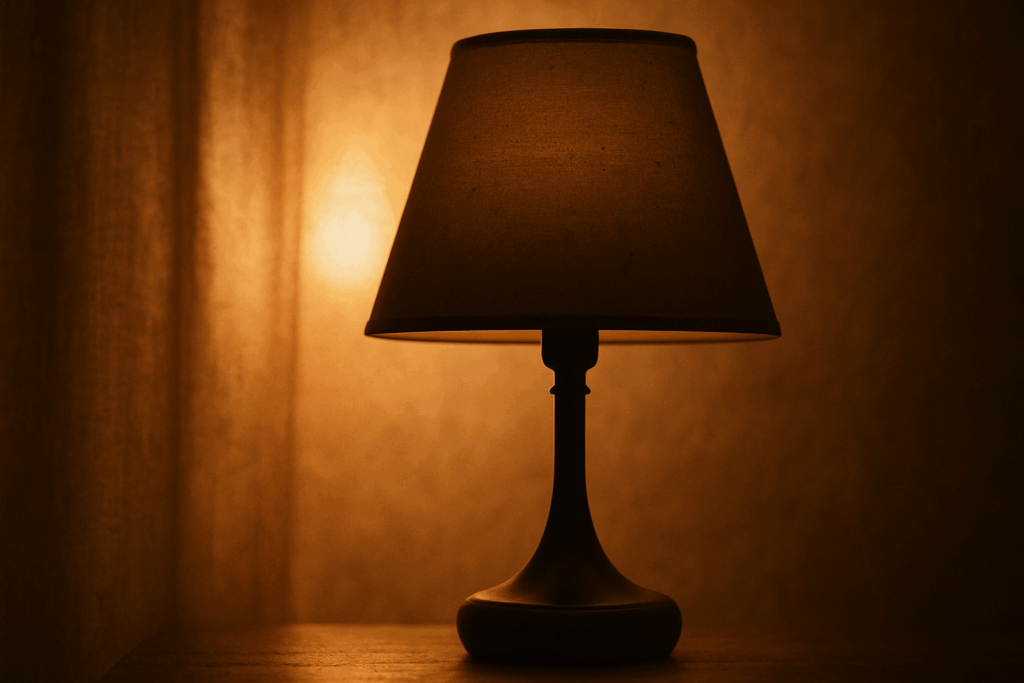
Color temperature warm versus cool light is a subtle but powerful tool. Warm light (those golden tones) tends to relax people. It’s why cafés, reading nooks, and living rooms often lean toward amber glows. Cool light, on the other hand, sharpens focus and energizes a space. Think kitchens, offices, and work zones. It’s not about right or wrong it’s about what vibe you’re after.
There’s a reason lighting pros treat it like furniture: it shapes function, form, and feeling. Smart designers don’t see lamps and fixtures as accessories they see them as anchors. If you want your room to work for how you live, start with the light.
Light Types that Shift the Atmosphere
Lighting isn’t just about visibility it’s about vibe. To really change how a space feels, you need to understand the three basic layers: ambient, task, and accent lighting. Each serves its own purpose, but together they build a mood that adapts to your needs throughout the day.
Ambient lighting is your foundation. Think overhead lights, ceiling fixtures, or even natural light that fills a room without asking much of you. It sets the overall tone and comfort level if it’s too harsh or too dim, everything else feels off.
Task lighting comes in where focus is required. Kitchen counters, desks, reading corners this light has a job to do. It’s brighter, more direct, designed to help you get things done without straining your eyes.
Accent lighting is for drama. It highlights what you want to show off: artwork, architectural details, a bookshelf backdrop. It’s less about function, more about mood and lines. It adds shadows, contrast, depth. Without it, a room feels flat.
Mixing these layers well means your space can shift tone through the day: from soft and inviting in the morning, to precise and focused in the afternoon, to warm and relaxing at night. The trick isn’t buying more lights it’s using what you have with more intention.
Natural Light: The Original Mood Setter
Daylight does more than brighten a room it actively regulates how we feel. Exposure to natural light has been linked to improved moods, better sleep cycles, and even enhanced focus. Our brains are wired to respond to the rise and fall of the sun. When that rhythm gets disrupted like with too much artificial lighting or dim, underlit rooms it can throw off everything from energy levels to mental clarity.
Orientation matters, too. North facing windows catch consistent, cool light through the day ideal for studios, reading nooks, and focused workspaces. South facing windows flood interiors with warmth and brightness, perfect for high traffic living spaces. East facing gives you energizing morning light, while west facing rooms glow golden at day’s end. If you understand where your windows sit, you can align room usage and your daily rhythm accordingly.
If your home lacks natural light, all is not lost. Use mirrors to catch and reflect daylight deeper into rooms. Trim outdoor obstructions, like overgrown trees or bulky shades. Stick to lighter, matte indoor surfaces to bounce light. And when necessary, supplement with full spectrum bulbs that mimic sunlight closely. They won’t replace the real deal, but they can help bridge the gap when needed.
LEDs, Dimmers, and Smart Systems (2026 Update)
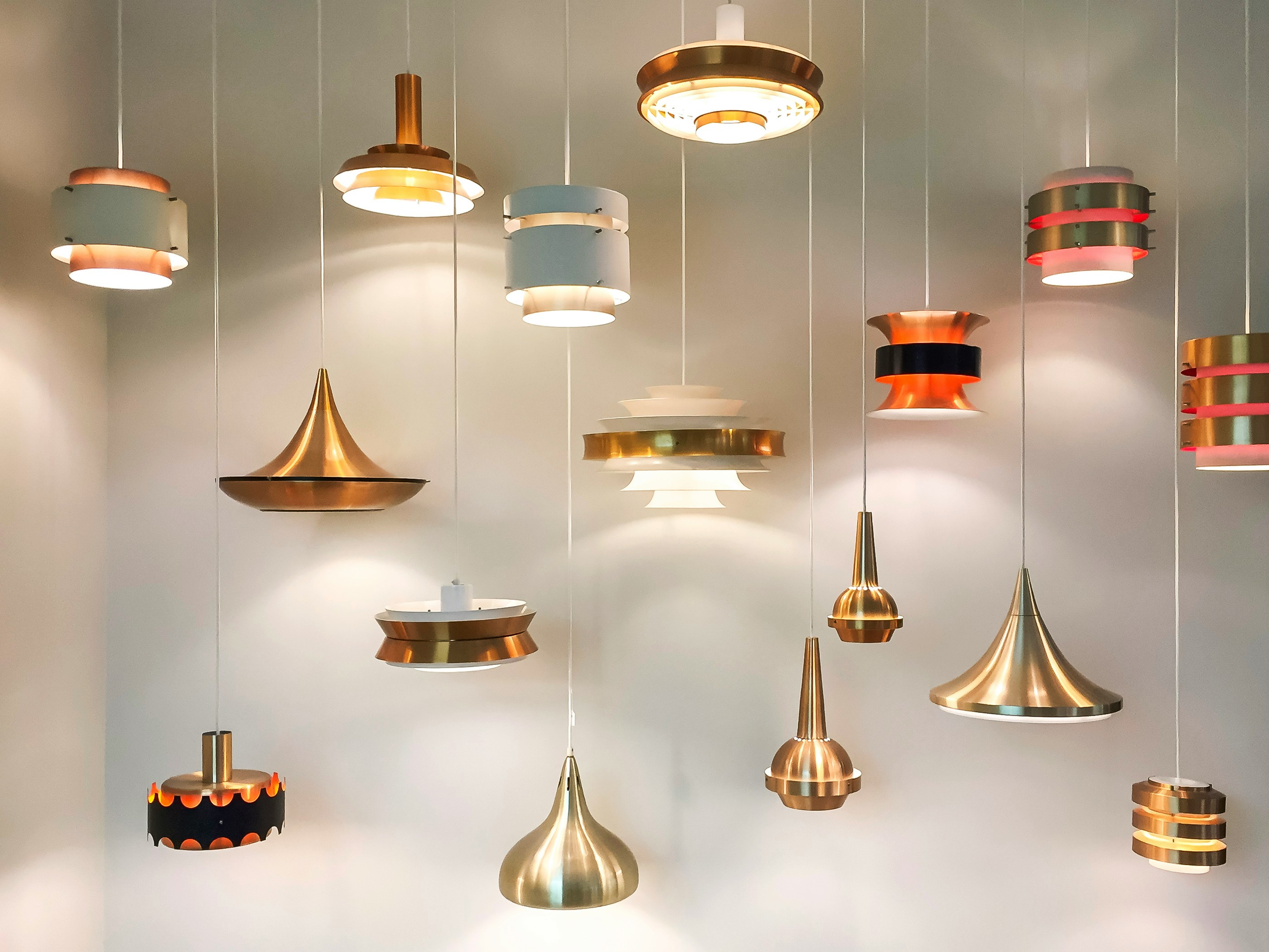
Lighting isn’t static anymore it shifts with you. Smart bulbs today don’t just switch on and off; they adjust based on time of day, the weather outside, and even the current activity in the room. Some systems detect motion and brightness levels, then fine tune the lighting to keep the space feeling intuitive and balanced.
Dimmable LEDs take things a step further. You can start your day with bright, clean white light that wakes you up and keeps you energized. As the afternoon fades, the same LEDs can ease into warmer tones, helping your body wind down without you needing to think about it. The goal isn’t just visibility it’s rhythm.
And it’s all tied to your phone. App controlled lighting lets you set pre programmed cycles or make manual shifts from wherever you are. Whether it’s soft amber light for dinner, a cool glow for focused work, or a slow fade for movie night, changing the mood of a room can now happen with a swipe.
Lighting is no longer just infrastructure. It’s responsive, personal, and silently shaping your day minute by minute.
Styling with Color and Light
Lighting and color work hand in hand to shape how a room feels. Choosing the right combination can instantly make a space feel calm, energized, cozy, or modern. Here’s how to refine your design choices by aligning lighting with color palettes.
Tone Pairing: Light Meets Wall Color
Every shade on your wall reacts uniquely to different light tones, and understanding their interaction is key to setting the right mood.
Warm lighting (yellow/golden hues):
Pairs well with earthy tones, muted greens, deep reds, and browns
Creates a cozy, inviting atmosphere that promotes relaxation
Cool lighting (bluish white tones):
Enhances blues, grays, stark whites, and jewel toned walls
Delivers a cleaner, more modern look ideal for workspaces or kitchens
Modernizing with Cooler Lighting
If you’re working with bold wall colors think bright teal, vibrant coral, or lemon yellow a cooler light can tone down excessive warmth and make the color palette feel fresher. It also introduces a sense of clarity and structure, especially in spaces with lots of natural daylight.
Use cooler bulbs in rooms with saturated or bold paint for a calm contrast
Consider daylight rated LEDs (5000K 6500K) for a bright, lively effect
Great for modern or minimalist interior styles
Get the Combo Right with Color Pairing Tools
Choosing the perfect shade and complementary lighting can be overwhelming. That’s why resources like the guide at Top 7 Color Combinations That Elevate Interior Rooms can provide helpful direction.
Match your lighting plan to proven color combos
Get ideas for cohesive palettes that emphasize mood
Visualize results before committing to paint or fixtures
Color and light are your most accessible tools for emotional design. When used with intention, they can completely transform your relationship with a room.
Final Details that Make a Difference
Even small design decisions like the texture of a lampshade or the angle of a bulb can have outsized impact on how a room feels. These subtle elements often go unnoticed, but they shape our emotional and visual experience in meaningful ways.
Lampshades: Texture and Transparency
Lampshades do more than diffuse light they influence mood through material, opacity, and color.
Fabric shades create a soft, cozy glow, ideal for bedrooms or reading nooks
Glass or metal covers cast sharper shadows, adding sophistication or drama
Patterned shades can project shapes or shadows that add visual interest
Bulb Placement: Direction Matters
Where a light is positioned affects both mood and function. Low placed bulbs bring intimacy, while overhead lighting can energize or overwhelm if not balanced properly.
Position table lamps at eye level for a sense of calm
Uplighting adds height and elegance to smaller spaces
Wall mounted lights can create intimacy or art gallery ambience
Flicker, Shadow & Brightness: Hidden Influencers
Ever feel unsettled in a room without knowing why? Flickering bulbs, overly harsh lighting, or strange shadow patterns might be to blame.
Inconsistent flickering can cause eye strain or subconscious agitation
Overexposure flattens textures and washes out color, making a space feel cold
Well placed shadows add depth and character think strategic uplighting or directional sconces
Experiment First, Invest Later
Design doesn’t always start with a big budget. Testing different bulbs and fixtures can teach you how light behaves in your space before committing to major changes.
Try swappable LED bulbs with varying color temperatures
Move lamps around to see what “feels right” at different times of day
Use dimmers or smart plugs to simulate different moods without rewiring
Lighting may be technical, but its impact is deeply emotional. Mastering the final details is less about having a perfect plan and more about having the curiosity to explore.
Lighting Strategy = Mood Strategy
Lighting isn’t just about seeing where you’re going it’s how you shape a space without picking up a paintbrush. Design wise, light is the fastest lever you can pull. Want a room to feel more inviting? Swap overhead glare for warm, diffused sources. Trying to declutter visually? Cooler, directional lighting can simplify the space instantly.
This isn’t about fancy fixtures. It’s about intent. A dark corner lit with a simple floor lamp becomes a reading nook. A generic kitchen feels cozier under warm under cabinet strips. Even a sterile office can start to feel personal with the right desk lamp.
Bottom line: if your space feels off, don’t move the furniture flip the switch. Before anything else, light is what sets the tone.
 There is a specific skill involved in explaining something clearly — one that is completely separate from actually knowing the subject. Malric Yelthorne has both. They has spent years working with home design inspirations in a hands-on capacity, and an equal amount of time figuring out how to translate that experience into writing that people with different backgrounds can actually absorb and use.
Malric tends to approach complex subjects — Home Design Inspirations, Gardening and Landscaping Advice, DIY Projects and Ideas being good examples — by starting with what the reader already knows, then building outward from there rather than dropping them in the deep end. It sounds like a small thing. In practice it makes a significant difference in whether someone finishes the article or abandons it halfway through. They is also good at knowing when to stop — a surprisingly underrated skill. Some writers bury useful information under so many caveats and qualifications that the point disappears. Malric knows where the point is and gets there without too many detours.
The practical effect of all this is that people who read Malric's work tend to come away actually capable of doing something with it. Not just vaguely informed — actually capable. For a writer working in home design inspirations, that is probably the best possible outcome, and it's the standard Malric holds they's own work to.
There is a specific skill involved in explaining something clearly — one that is completely separate from actually knowing the subject. Malric Yelthorne has both. They has spent years working with home design inspirations in a hands-on capacity, and an equal amount of time figuring out how to translate that experience into writing that people with different backgrounds can actually absorb and use.
Malric tends to approach complex subjects — Home Design Inspirations, Gardening and Landscaping Advice, DIY Projects and Ideas being good examples — by starting with what the reader already knows, then building outward from there rather than dropping them in the deep end. It sounds like a small thing. In practice it makes a significant difference in whether someone finishes the article or abandons it halfway through. They is also good at knowing when to stop — a surprisingly underrated skill. Some writers bury useful information under so many caveats and qualifications that the point disappears. Malric knows where the point is and gets there without too many detours.
The practical effect of all this is that people who read Malric's work tend to come away actually capable of doing something with it. Not just vaguely informed — actually capable. For a writer working in home design inspirations, that is probably the best possible outcome, and it's the standard Malric holds they's own work to.