
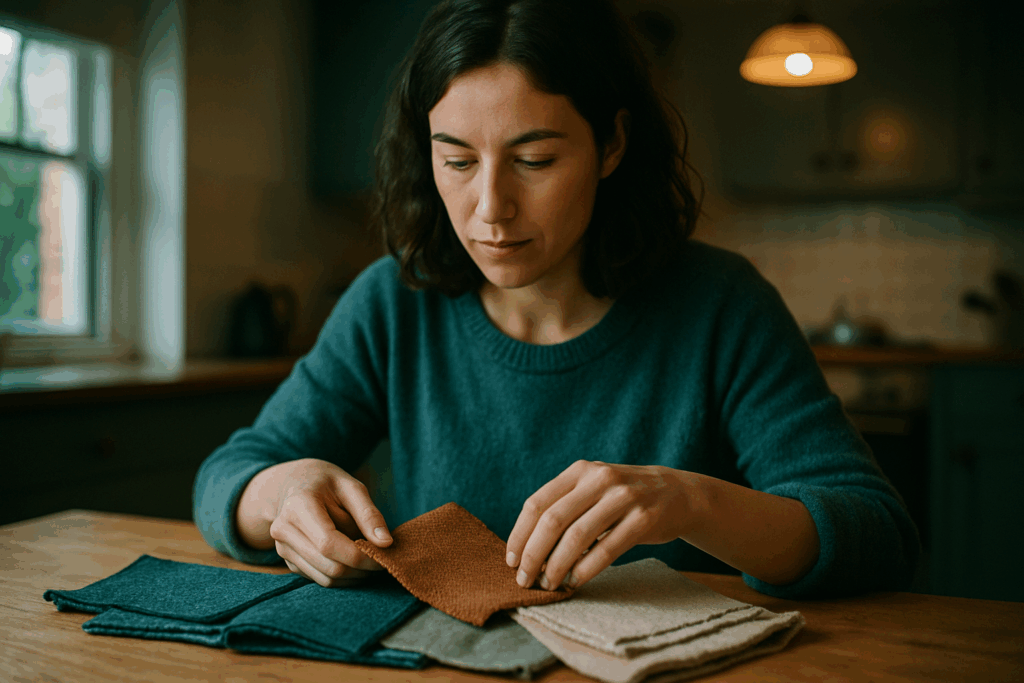
What Textiles Actually Do in a Room
Textiles might seem like the supporting cast in a space, but they control more of the room’s performance than most people realize. Curtains, rugs, throws all of them work behind the scenes to manage light, shift temperature perception, and shape how a room sounds and feels.
Take light. Heavy curtains block harsh glare or early morning blasts of sun, while sheer ones diffuse daylight and soften the mood. Rugs help zone your home without walls. A thick wool rug under a couch defines the living area. A slim runner in the hallway directs traffic and quiets footfalls. Texture, placement, weight these things create visual and physical boundaries.
And then there’s the acoustic side. Bare floors echo. Hard walls bounce sound. Add textiles and suddenly conversations sound clearer, the TV doesn’t blare, and there’s a quiet hush that makes a space feel finished.
Textiles are also about comfort the kind you see and the kind you feel. They provide emotional warmth and physical softness. Without them, a room looks incomplete. Feels off. Think of them as what ties all the other elements together. They don’t demand attention, but they give the space its soul.
Curtains: Form Meets Function
You don’t need to be a designer to understand that curtains do more than just block light. But choosing the right ones without overthinking it? That takes a little strategy.
Start with fabric weight. Heavier fabrics think velvet, lined linen, or thick cotton offer more privacy and insulation. They’re ideal for bedrooms, street facing windows, or anywhere you want to feel cocooned. Lighter fabrics like sheer linen or cotton voile don’t block as much light, but they keep things airy and soft. Great for living rooms or kitchens where you want daylight but not a lot of glare.
Length matters. Floor grazing curtains tend to look polished and intentional. Aim for panels that finish about a half inch above the floor or float just at it. If it’s a more relaxed, casual vibe you’re after, let them puddle slightly. Avoid anything that hangs just at the windowsill it looks unfinished unless it’s a café style curtain.
Lining is another quiet hero. A basic lining will protect your fabric from fade and help regulate temperature. Blackout lining? Perfect for bedrooms or shift workers. And hardware? Don’t phone it in. Curtain rods should match or cleverly contrast with other finishes in the room. A flimsy rod with sagging brackets ruins even the best fabric.
Color plays into function too. North facing rooms need warmth try earthy tones or golden shades to balance cooler light. South facing rooms get more brightness, so you can go darker or moodier without draining the space. For rooms where you relax, choose colors that calm. For rooms where you work or create, lean into energizing hues.
Finally, think lighting. Curtains and light should work together, not fight. Sheers can soften harsh sunlight, while layered curtains (sheer + opaque) let you shift moods throughout the day. For more nuance on balance and glow, check out: How Lighting Changes the Mood of Any Room.
Rugs: Anchor the Space

Area rugs do more than add softness underfoot they visually ground a room, define its zones, and introduce a key layer of texture and personality. But to anchor a space well, you need the right rug, in the right size, with the right material.
Avoid the “Too Small Rug” Trap
One of the most common decorating mistakes? Choosing a rug that’s too small for the room. A rug that floats awkwardly in the center of the floor can make an entire space feel disjointed and cramped.
Proper Rug Size Guidelines:
Living Room: Ensure front legs of sofas and chairs rest on the rug ideally 8×10 or larger.
Dining Room: Rug should extend 24 30 inches beyond each side of the dining table.
Bedroom: For queen beds, use at least an 8×10 rug; a king bed may need a 9×12 to frame properly.
Patterns or Solids? Read the Room
The right design depends on what else is happening visually in the space.
Go bold with patterns when:
Your furniture and walls are relatively neutral
You want the rug to be a focal point of the space
Stick with solids or subtle textures when:
There’s already a lot of pattern in furniture, artwork, or curtains
You want to create a quiet, cohesive look
Rug Materials in 2026: What to Know
Each material carries its own pros and cons. Know what you’re stepping on:
Wool: Durable, insulating, and naturally stain resistant great for high traffic areas.
Cotton: Lightweight and easy to wash, but best for low traffic spaces.
Jute & Sisal: Textural and earthy, but may feel rough and can be harder to clean.
Synthetics (like polypropylene): Budget friendly and stain resistant; quality varies widely.
Smart Rug Placement by Room
Proper placement can elevate the entire room’s layout:
Living Room: Rug should unify the seating area, not float between pieces.
Dining Room: Make sure chairs stay on the rug even when pulled out.
Bedroom: Place rug under the lower two thirds of the bed or use runners on each side for a softer landing.
The right rug ties everything together. Get the size, pattern, and material right, and everything else in the room feels more intentional.
Throws: Small Move, Big Impact
Throws are one of the simplest ways to refresh a room without committing to a full design overhaul. Whether draped over a sofa, folded at the foot of a bed, or tossed on a chair, throws add instant texture, warmth, and personality.
Layering Texture and Color
Throws are a top tool for stylists because they can:
Add depth by varying fabric textures in a space
Introduce a pop of color without repainting or reupholstering
Tie together different elements in a room (like patterned pillows and neutral upholstery)
Style Tip: Try contrast use chunky knits on sleek leather or soft linen on dark velvet to create visual interest.
Seasonal Fabric Picks
Different materials work better during different times of year. Rotate your throws seasonally to keep your space comfortable and stylish.
Spring/Summer: Linen or lightweight cotton breathable, crisp, and fresh
Fall: Woven knits or textured cotton blends add gentle warmth
Winter: Fleece, wool, or faux fur for maximum coziness and comfort
Quick Room Refresh
If your sofa or bed is feeling dull or outdated, a well chosen throw can provide an instant upgrade.
Cover worn spots or faded fabric
Add a seasonal touch (think plaid in fall or breezy stripes in summer)
Layer with pillows for a styled, lived in look
A few smartly chosen throws can breathe new life into your space without spending a fortune or lifting much more than a fold.
Pro Level Moves
Stick to the “Three Fabric Rule”
To keep a room feeling intentional and cohesive rather than chaotic, use no more than three dominant fabric types in any space. This rule applies across curtains, rugs, throws, and upholstered furniture.
Pick your base fabric: This is often the largest textile presence, like your sofa or drapes.
Add a secondary texture: Think rugs or armchairs that offer contrast but still complement the base.
Finish with an accent: Use throws or cushions to introduce a third texture or unexpected pattern.
Keeping fabrics limited to three core types helps the room breathe and lets statement pieces stand out.
Mixing Textures Without Competing
Blending texture adds depth mixing it poorly adds noise. The goal is to balance soft, plush elements with structured or natural ones.
Combine smooth (velvet, silk) with coarse (linen, jute) to create contrast
Layer matte and shiny finishes for visual balance
Stick within the same color family if textures vary widely
Tip: Don’t place all the textured elements on one side of the room. Mix and distribute evenly.
Let Lighting Guide Textile Choices
Natural and artificial lighting changes how textiles look and feel in a room.
Bright spaces: Lighter fabrics can glow beautifully, but avoid overly glossy finishes that may create glare.
Low light rooms: Use richer textiles, like velvet or wool, to add warmth and depth.
Artificial lighting: Warmer bulbs flatter heavier fabrics; cooler lighting can make crisp textures pop.
Thoughtful fabric selection based on lighting conditions ensures your colors stay true and your textures work harder, day or night.
Bottom Line
Textiles aren’t just decoration they’re the glue that holds a room together. The right curtain can sharpen sight lines and soften harsh light. A good rug can ground a space, while the wrong one throws the proportions off. Even the quietest throw adds depth and texture that makes a room feel lived in.
Ignore fabrics, and you’ll notice something always feels off, no matter how perfect the furniture. But when you’re intentional about material, weight, color, and placement, it all clicks. Good textiles change how you experience a space from function to feeling.
So skip the random grabs. Think in layers, think in texture, think in how you live. Your space will thank you.
 Jordanae Lewisters has opinions about sustainable living solutions. Informed ones, backed by real experience — but opinions nonetheless, and they doesn't try to disguise them as neutral observation. They thinks a lot of what gets written about Sustainable Living Solutions, DIY Projects and Ideas, Home Design Inspirations is either too cautious to be useful or too confident to be credible, and they's work tends to sit deliberately in the space between those two failure modes.
Reading Jordanae's pieces, you get the sense of someone who has thought about this stuff seriously and arrived at actual conclusions — not just collected a range of perspectives and declined to pick one. That can be uncomfortable when they lands on something you disagree with. It's also why the writing is worth engaging with. Jordanae isn't interested in telling people what they want to hear. They is interested in telling them what they actually thinks, with enough reasoning behind it that you can push back if you want to. That kind of intellectual honesty is rarer than it should be.
What Jordanae is best at is the moment when a familiar topic reveals something unexpected — when the conventional wisdom turns out to be slightly off, or when a small shift in framing changes everything. They finds those moments consistently, which is why they's work tends to generate real discussion rather than just passive agreement.
Jordanae Lewisters has opinions about sustainable living solutions. Informed ones, backed by real experience — but opinions nonetheless, and they doesn't try to disguise them as neutral observation. They thinks a lot of what gets written about Sustainable Living Solutions, DIY Projects and Ideas, Home Design Inspirations is either too cautious to be useful or too confident to be credible, and they's work tends to sit deliberately in the space between those two failure modes.
Reading Jordanae's pieces, you get the sense of someone who has thought about this stuff seriously and arrived at actual conclusions — not just collected a range of perspectives and declined to pick one. That can be uncomfortable when they lands on something you disagree with. It's also why the writing is worth engaging with. Jordanae isn't interested in telling people what they want to hear. They is interested in telling them what they actually thinks, with enough reasoning behind it that you can push back if you want to. That kind of intellectual honesty is rarer than it should be.
What Jordanae is best at is the moment when a familiar topic reveals something unexpected — when the conventional wisdom turns out to be slightly off, or when a small shift in framing changes everything. They finds those moments consistently, which is why they's work tends to generate real discussion rather than just passive agreement.