What Composting Does for Your Soil
Composting isn’t just an eco friendly habit it’s one of the most effective ways to rejuvenate and enrich your soil naturally. Whether you’re working with garden beds, containers, or a backyard plot, composting introduces powerful benefits that build better soil from the ground up.
Transforms Waste into Rich, Fertile Humus
Organic materials like food scraps and yard waste break down into a dark, nutrient rich substance called humus
Humus enhances soil fertility by supplying essential nutrients to plants
This natural matter helps improve plant rooting, growth, and resilience
Boosts Soil Structure and Moisture Management
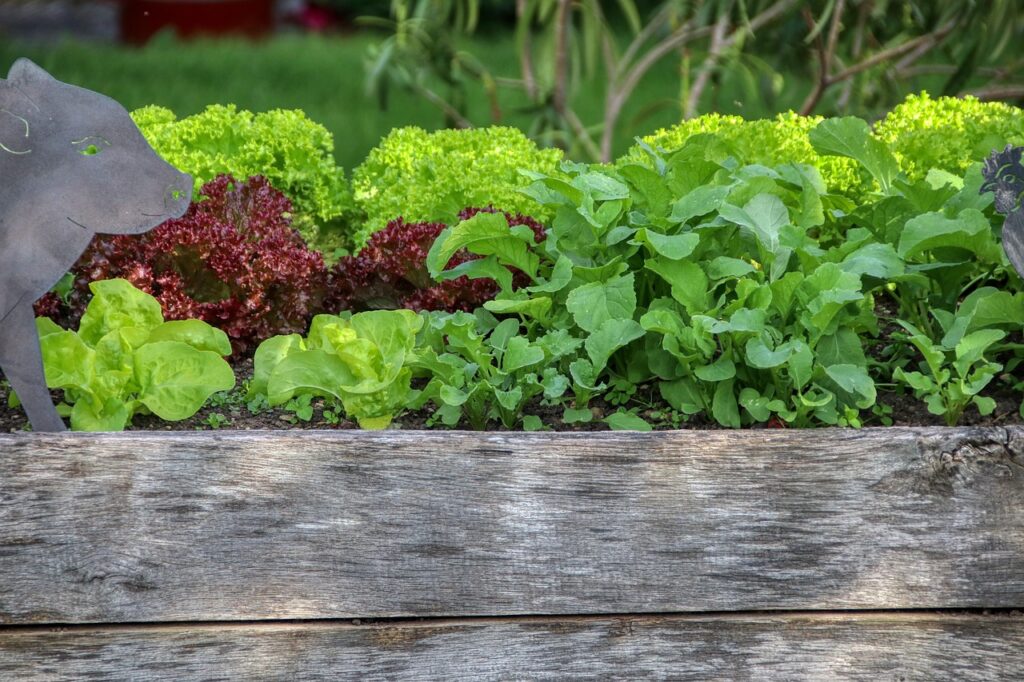
Adds body to sandy soils and loosens up heavy clay soils
Promotes better drainage while retaining necessary moisture near the root zone
Supports healthy soil texture that encourages deep root systems
Encourages Life Below the Surface
Reintroduces microbial life essential to nutrient cycling and plant health
Feeds earthworms and other beneficial organisms that aerate soil naturally
Creates a thriving, self sustaining soil ecosystem
Reduces Reliance on Chemicals
With nutrient dense compost, plants are less dependent on synthetic fertilizers
Compost suppresses plant diseases and pests in an organic way
Reduces runoff and environmental damage caused by chemical applications
Composting transforms your soil into a living, nurturing system and that’s the foundation for any strong and sustainable garden.
What to Compost (and What to Avoid)
Think of composting like building a balanced diet for your soil. You need both “greens” and “browns” to keep the process humming.
Greens are rich in nitrogen, the fuel microbes burn to break stuff down fast. Use vegetable scraps, coffee grounds, and grass clippings. These things rot quickly and kickstart decomposition.
Browns bring the carbon. Dry leaves, shredded cardboard, newspaper, and sawdust mellow out your pile and help with airflow and structure. Without enough browns, your compost smells like a swamp.
Avoid dumping in meat, dairy, or anything greasy. These not only slow everything down but attract rats, raccoons, and neighborhood stink eye. Stick to plant based waste and keep it simple. Your pile and your backyard will thank you.
Built Right: The Setup That Works in 2026
Not all compost systems are created equal, but you don’t need to overthink it. The right setup depends mostly on how much space you have and how hands on you want to be.
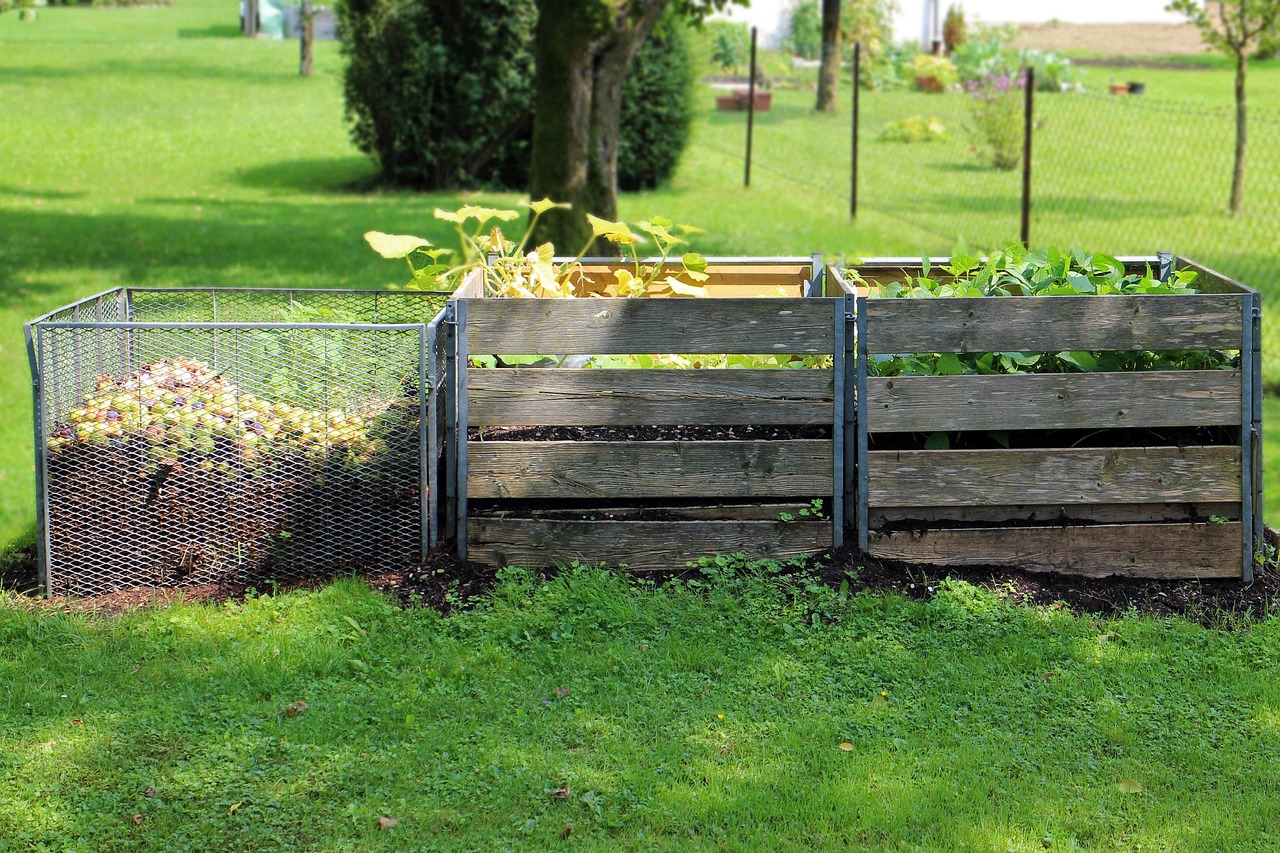
Backyard bins are the classic option. You can go with a store bought plastic unit or build your own from wood or repurposed pallets. These are great for homeowners with a little yard space. They’re low fuss, hold a lot of material, and blend in well if you don’t want an eyesore. Just keep them well aerated and add equal parts greens and browns.
Worm bins are the stealth composters. Built for small spaces think apartments, patios, or garages they use red wigglers to break down food scraps quickly and cleanly. Plus, worm castings are compost gold. If the idea of a bin of worms under your sink doesn’t scare you off, this method is one of the most efficient for limited setups.
Tumbler systems are for people who like things tidy and quick. These enclosed barrels rotate easily, which helps aerate the compost and keeps pests out. They’re perfect if you don’t have ground space or want to speed up results without constantly turning a pile. Some high end models can give you finished compost in under 2 months.
Bottom line: choose the system that fits your space, your time, and your tolerance for mess. Composting can be as simple or DIY intensive as you make it.
The Composting Process: No Nonsense Basics
Think of composting like cooking low and slow it’s about balance, heat, and patience. Start with the golden rule: a 2:1 ratio of browns to greens. Browns (like dry leaves or shredded cardboard) give carbon; greens (food scraps, grass clippings) supply nitrogen. Layer them accordingly, and you’ve got the baseline.
Next, commit to a weekly turn. This doesn’t have to be a workout just enough mixing to get oxygen into the pile. It keeps things from going sour and helps the microbes do their job. No air means stink and slow breakdown.
Finally, give it time. Your compost will take anywhere from two to six months to be ready. Warmer temps and a well tended pile speed things up; cold snaps and poor balance slow it down. There’s no exact finish line but when it’s dark, crumbly, and smells like good soil, you’ll know it’s done.
Common Mistakes to Skip
Composting’s not rocket science, but there are a few pitfalls that can turn your pile into a smelly mess or a lifeless heap.
First up, balance matters. Overloading your pile with one type of material especially nitrogen heavy “greens” like food scraps or grass clippings leads to foul odor and soggy compost. The trick is mixing in plenty of “browns” like dry leaves, cardboard, and shredded newspaper to absorb moisture and add carbon.
Next, don’t let it dry out. A compost pile should feel like a wrung out sponge. Too dry, and microbes go on strike. If your bin’s not breaking things down, it might just need a splash from the watering can.
Finally, skipping the mix is a classic rookie move. Good compost isn’t made in layers alone it needs occasional turning to introduce oxygen and keep the process alive. Stir it up every week or two. Your future tomatoes will thank you.
Compost + Pollinators = Real Yard Health
Start with the soil. Healthy, living soil is the foundation of a thriving yard, and compost is the shortcut to getting there without relying on chemical boosters. When your soil is rich in organic matter and teeming with microbes, it naturally supports native plants the kind that local pollinators rely on.
Bees, butterflies, beetles, and other beneficial insects need more than just a few flowers to survive. They need a biodiverse environment from the ground up. Compost helps create that. It feeds plants that bloom at the right times, grows stronger root systems, and encourages a soil ecosystem where these small but vital creatures can do their job.
If you want to take it a step further, learn what plants attract specific pollinators and how to keep them coming back. For that, check out Creating a Pollinator Friendly Yard: What to Plant and Why.
Done Right: What Finished Compost Looks Like
You’ll know your compost is done when it stops looking like scraps and starts looking like soil. The texture should be dark and crumbly think moist coffee grounds, not mud or mulch. If you pick up a handful, it should hold shape lightly and fall apart easily. That’s structure your soil will actually benefit from.
Smell matters too. Good compost smells earthy, clean, and neutral. If there’s any sour, ammonia like, or rotten odor, it’s not quite there yet. Give it more time and turn it a bit more often.
Finally, scan for leftovers. Finished compost shouldn’t have visible chunks of food or bits of newspaper. A few stubborn eggshell flecks are normal, but banana peels or carrot tops? Not ready. When it looks and smells like something your garden would thank you for it’s go time.
Use It or Lose It
Compost is more than just a byproduct it’s a powerful, living soil amendment. Once it’s ready, don’t let it go to waste sitting unused in a bin. Put it to work across your yard and garden.
Where to Use Finished Compost
Use your compost in a variety of ways to maximize its benefits:
Garden beds: Mix it directly into the top few inches of soil to improve texture and nutrient content.
Top dressing: Spread a thin layer around plants and trees to retain moisture and suppress weeds.
Potting blends: Mix it with potting soil for container gardens and houseplants.
When to Apply
Timing also matters to make the most of your compost:
Seasonally: Add compost in spring to prep beds and again in fall to enrich soil before dormancy.
As needed: Apply during the growing season around heavy feeders like tomatoes or squash.
After harvest: Rebuild soil health and fertility following a full season.
The Takeaway
Letting compost sit unused is a missed opportunity. Apply it regularly and intentionally. Not only will your garden thank you your entire landscape will show signs of better health, stronger plants, and reduced need for outside inputs.
Stay consistent, and your soil will pay you back in healthier crops, richer blooms, and significantly less organic waste making its way to the landfill.
 Venusrah Greebelt is the kind of writer who genuinely cannot publish something without checking it twice. Maybe three times. They came to home maintenance essentials through years of hands-on work rather than theory, which means the things they writes about — Home Maintenance Essentials, DIY Projects and Ideas, Sustainable Living Solutions, among other areas — are things they has actually tested, questioned, and revised opinions on more than once.
That shows in the work. Venusrah's pieces tend to go a level deeper than most. Not in a way that becomes unreadable, but in a way that makes you realize you'd been missing something important. They has a habit of finding the detail that everybody else glosses over and making it the center of the story — which sounds simple, but takes a rare combination of curiosity and patience to pull off consistently. The writing never feels rushed. It feels like someone who sat with the subject long enough to actually understand it.
Outside of specific topics, what Venusrah cares about most is whether the reader walks away with something useful. Not impressed. Not entertained. Useful. That's a harder bar to clear than it sounds, and they clears it more often than not — which is why readers tend to remember Venusrah's articles long after they've forgotten the headline.
Venusrah Greebelt is the kind of writer who genuinely cannot publish something without checking it twice. Maybe three times. They came to home maintenance essentials through years of hands-on work rather than theory, which means the things they writes about — Home Maintenance Essentials, DIY Projects and Ideas, Sustainable Living Solutions, among other areas — are things they has actually tested, questioned, and revised opinions on more than once.
That shows in the work. Venusrah's pieces tend to go a level deeper than most. Not in a way that becomes unreadable, but in a way that makes you realize you'd been missing something important. They has a habit of finding the detail that everybody else glosses over and making it the center of the story — which sounds simple, but takes a rare combination of curiosity and patience to pull off consistently. The writing never feels rushed. It feels like someone who sat with the subject long enough to actually understand it.
Outside of specific topics, what Venusrah cares about most is whether the reader walks away with something useful. Not impressed. Not entertained. Useful. That's a harder bar to clear than it sounds, and they clears it more often than not — which is why readers tend to remember Venusrah's articles long after they've forgotten the headline.