Spotting the Silent Drips
Most plumbing leaks don’t start with a splash they start with a smell, a stain, or a sound. The key is catching them early. First off, trust your nose. A musty, moldy smell in a kitchen cabinet or under a bathroom sink usually means moisture’s been hanging around too long. Don’t ignore it. Same goes for warped wood, peeling paint, or bubbles in the wall those are red flags, not cosmetic quirks.
Next, use your ears. Leaks often hide in silence but speak up at night. When the house is quiet, you might catch the faint patter of a steady drip. If you hear something, track it down.
Still not sure? Go full detective: use your water meter. Pick a time when no one’s using water, record the meter number, and come back in an hour. If the numbers change, you’ve got a leak somewhere. Time to dig deeper.
Finding a leak isn’t glamorous but it beats paying for water you didn’t use and damage you didn’t need.
Toilets: If your toilet runs randomly or hisses long after a flush, chances are the flapper valve is the culprit. These rubber seals degrade over time faster than most people expect. A worn flapper lets water seep from the tank to the bowl, quietly wasting gallons daily. Swapping it out is simple and costs less than a takeout lunch.
Faucets: That slow, rhythmic drip from your kitchen or bathroom sink isn’t just annoying it adds up. Usually, the issue is either a cracked washer or a faulty cartridge inside the tap. Either way, it’s an easy fix with a wrench and five minutes of your time. Don’t let tiny parts drain your water bill.
Showerheads: Low pressure and unexpected leaks? Take a closer look. Sometimes it’s old thread tape that’s lost its seal, or fittings that have come loose over time. Remove the head, clean the threads, wrap with fresh plumber’s tape, and reattach. Tighten it by hand before reaching for tools over tightening can crack the fittings.
Under sink connections: These spots turn into leak zones before you realize it. Check where supply lines meet shutoff valves and faucet tails. Signs of trouble: greenish corrosion, loose nuts, water stains or crusty residue. You might also find the remnants of past leaks dry puddles or warped cabinet wood. A quick inspection during your spring cleaning could save you a major repair later.
How to Fix the Basics Fast
First thing: kill the water. Locate the nearest shutoff valve to cut off supply before you start pulling things apart. A flooded bathroom isn’t a great learning moment.
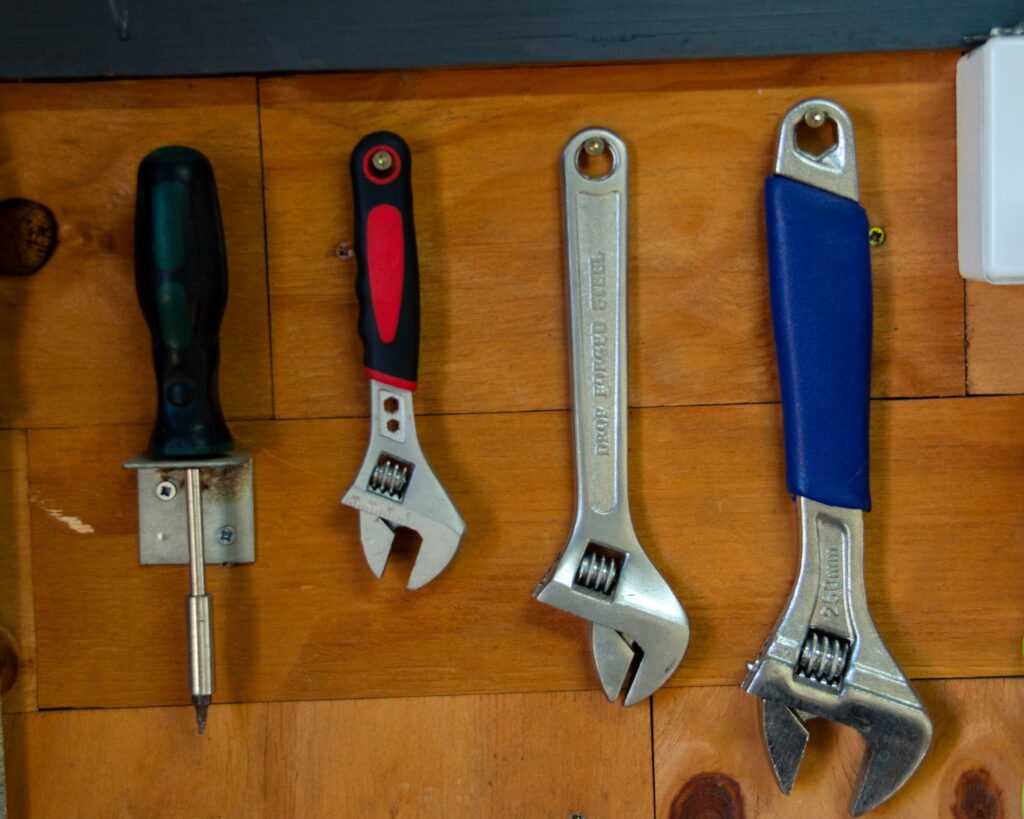
Next, swap out the common troublemakers washers, O rings, flappers. These parts wear down with time and pressure. You won’t need a fancy tool chest. A wrench, screwdriver, and a little patience should do the trick.
When dealing with threaded connections, always use plumber’s tape Teflon is the go to. Wrap it clockwise around threads for a snug, leak resistant seal. It’s cheap, easy insurance.
For compression fittings, slow and steady wins. Hand tighten first, then give it an extra nudge with a wrench. Don’t go full Hulk over tightening can wreck the fitting or pipe.
Tip: Make sure your toolkit is up to the task. Check our guide to Essential Tools Every Homeowner Should Own
When to Call in the Pros
Some leaks are just too risky or too complicated for a DIY fix. Knowing when to step back and bring in a licensed plumber can save you from costly repairs down the line.
Situations That Require a Professional
Major Pipe Damage
Cracks, corrosion, or burst pipes aren’t just difficult to fix they can cause extensive water damage fast.
Frozen pipes may need to be thawed and potentially replaced by a pro to avoid future bursts.
Leaks Hidden Inside Walls or Ceilings
If you notice stains, bulging paint, or soft drywall, there may be a leak behind the surface.
These cases often require cutting into drywall and carefully tracing the source tasks best left to professionals with the right tools and experience.
High Water Bills With No Visible Leaks
A sudden spike in your utility bill without a clear cause could signal an underground or hidden leak.
Plumbers have specialized equipment like acoustic sensors and infrared cameras to pinpoint these invisible leaks without tearing your home apart.
The Bottom Line
If the leak is out of sight, hard to reach, or causing structural damage, a licensed plumber is the safest and most efficient route. Attempting a DIY repair in these situations can easily make a bad situation worse.
Preventing Leaks in 2026 and Beyond
Plumbing problems don’t start loud they sneak up on you. That’s why staying ahead of leaks means getting proactive.
Start simple: check seals, joints, and connections at least twice a year. Look for moisture rings, rust, or mineral deposits. Catching a loose joint early saves you the waterfall later.
Next level: install smart leak detectors. These aren’t gimmicks they’re watchdogs that monitor for irregular moisture and spike alerts straight to your phone. They’re especially useful near water heaters, under sinks, and behind appliances.
Finally, bite the bullet on those ancient fixtures. That 20 year old faucet or brittle pipe isn’t vintage it’s a future headache. Upgrading may cost upfront, but it cuts down the risk (and repair bills) over time.
Bottom line: be vigilant. Plumbing only stays silent when you treat it right.
 Venusrah Greebelt is the kind of writer who genuinely cannot publish something without checking it twice. Maybe three times. They came to home maintenance essentials through years of hands-on work rather than theory, which means the things they writes about — Home Maintenance Essentials, DIY Projects and Ideas, Sustainable Living Solutions, among other areas — are things they has actually tested, questioned, and revised opinions on more than once.
That shows in the work. Venusrah's pieces tend to go a level deeper than most. Not in a way that becomes unreadable, but in a way that makes you realize you'd been missing something important. They has a habit of finding the detail that everybody else glosses over and making it the center of the story — which sounds simple, but takes a rare combination of curiosity and patience to pull off consistently. The writing never feels rushed. It feels like someone who sat with the subject long enough to actually understand it.
Outside of specific topics, what Venusrah cares about most is whether the reader walks away with something useful. Not impressed. Not entertained. Useful. That's a harder bar to clear than it sounds, and they clears it more often than not — which is why readers tend to remember Venusrah's articles long after they've forgotten the headline.
Venusrah Greebelt is the kind of writer who genuinely cannot publish something without checking it twice. Maybe three times. They came to home maintenance essentials through years of hands-on work rather than theory, which means the things they writes about — Home Maintenance Essentials, DIY Projects and Ideas, Sustainable Living Solutions, among other areas — are things they has actually tested, questioned, and revised opinions on more than once.
That shows in the work. Venusrah's pieces tend to go a level deeper than most. Not in a way that becomes unreadable, but in a way that makes you realize you'd been missing something important. They has a habit of finding the detail that everybody else glosses over and making it the center of the story — which sounds simple, but takes a rare combination of curiosity and patience to pull off consistently. The writing never feels rushed. It feels like someone who sat with the subject long enough to actually understand it.
Outside of specific topics, what Venusrah cares about most is whether the reader walks away with something useful. Not impressed. Not entertained. Useful. That's a harder bar to clear than it sounds, and they clears it more often than not — which is why readers tend to remember Venusrah's articles long after they've forgotten the headline.