
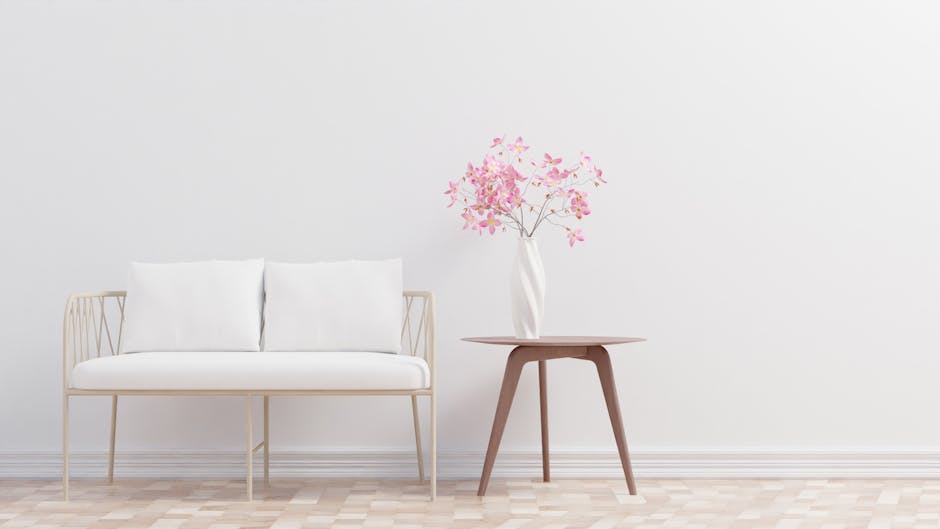
Go Neutral But Not Boring
Minimalist living doesn’t mean lifeless. Start with a neutral color palette think whites, soft beiges, muted grays. These tones create a calm, open foundation. But don’t stop there. Layer in texture to prevent it from falling flat. Linen curtains, a raw edge wood coffee table, or a matte metal lamp can quietly elevate the whole room.
Use dark accents sparingly to ground the space. A charcoal vase, black hardware, or deep toned frames add just enough contrast to keep the eye engaged without overwhelming the vibe. You want balance soft tones pulled into focus with crisp, intentional details.
Choose Functional, Simple Furniture
Creating a minimalist living room doesn’t mean sacrificing comfort or practicality. In fact, function is just as important as form and the right furniture choices lay the foundation for a thoughtfully designed space.
Prioritize Clean Lines
Opt for furniture with sleek silhouettes and simple shapes
Avoid ornate details or excessive embellishments
Think Scandinavian or mid century modern styles that emphasize purity and purpose
Invest in Multi Use, High Quality Pieces
Choose well crafted furniture that serves more than one purpose
Example: a coffee table with hidden storage
A stylish ottoman that doubles as extra seating
Durable materials and timeless design ensure longevity
Maximize Space with Smart Storage
Use floating shelves to display essentials without overpowering the room
Consider wall mounted media units or sideboards to keep floors clear
Tuck away clutter to maintain the minimalist aesthetic while keeping the room highly functional
The right furniture supports a clean aesthetic while giving every item in the room a clear purpose. Choosing simplicity doesn’t mean going without it means making smarter, more intentional choices.
Let Natural Light Lead
Minimalist spaces thrive on light. Heavy drapes block what you actually want more of natural sun. Swap them out for sheer curtains that soften harsh rays without cutting them off completely. Or skip window coverings altogether if privacy and glare aren’t issues. The idea is to let the outside in.
Mirrors are your silent allies here. Placed right, they bounce light around the room, making small spaces feel bigger and brighter. Position a large mirror across from a window or near a light source to double the impact without adding visual clutter.
And don’t ignore your furniture layout. If your sofa or shelving unit is blocking a key window, it’s hurting the vibe. Rework the flow so windows are open, not obscured. Let the light guide your layout. The goal is simple: fewer barriers, more brightness.
Declutter With Intention
Minimalism doesn’t mean stripping your space bare it means making deliberate choices. Keep only what you love and actually use. If it hasn’t served a purpose in the past year, it probably never will. Sentimentality has a place, but not in every drawer or corner.
When it comes to storage, think smart and hidden. Ottomans that open up, sideboards with sleek doors, and built ins that disappear into the wall all help reduce visible clutter. No need to showcase everything you own good storage gives your favorite pieces space to breathe.
And here’s the core truth: less stuff really does mean more peace of mind. Visual calm feeds mental calm. The clearer the room, the clearer your focus. Let go of excess. Keep what earns its space.
Add One Statement Piece

Minimalism isn’t about stripping every ounce of personality from a room it’s about choosing your moments. Bring in a single statement piece: one bold artwork, a sculptural floor lamp, or a chair that speaks louder than the rest. This becomes the anchor of the room. The eye lands on it, and stays.
Don’t clutter it with competition. Let the lines around it breathe. Surrounding pieces should step back neutral colors, clean shapes, zero fuss. The goal is subtle drama: one standout in a sea of calm. When done right, less doesn’t just say more it owns the room.
Go Low Profile With Sofas and Tables
Forget bulky, overstuffed furniture. Low profile pieces keep the eye closer to the floor and bring a sense of calm to the room. Sofas that sit close to the ground and clean lined coffee tables create a grounded, relaxed energy without trying too hard.
This approach also frees up visual height. With less vertical bulk, ceilings feel taller, and the space feels more open by default no renovation required.
Stick with tonal or muted shades. Think soft grays, sandy taupes, or bone whites. These colors don’t scream for attention, which keeps your space feeling easy on the eyes and makes it simple to layer in textures if you want more depth. The result? A room that breathes.
Bring In Organic Elements
Minimalist doesn’t mean cold. Wood, stone, linen, and clay bring a natural texture that softens hard lines and flat surfaces. Think unvarnished oak, rough ceramics, or a woven throw simple, tactile details that make a space feel grounded.
A touch of greenery goes a long way. One or two indoor plants like a rubber tree in a clay pot or a snake plant in a matte planter can bring life into a room without crowding it. You don’t need a jungle. Just enough to remind you the space is alive.
Stick to quality over quantity. One well placed plant or raw material is better than a dozen scattered accents. Let each element breathe.
Rethink Tech Placement
Technology is essential in a modern living room but that doesn’t mean it should dominate the space. Minimalist design calls for thoughtful placement and subtle integration that supports the overall aesthetic instead of distracting from it.
Conceal, Frame, or Blend Your TV
Frame it: Use built in cabinetry or a gallery wall layout to make your television feel intentional, not intrusive.
Hide it: Consider retractable screens, sliding panels, or wall mounts behind art frames.
Blend it: Choose TVs with slim bezels or matte screens that minimize visual noise.
Make Cables Disappear
Nothing disrupts a clean living room like tangled cords. With a few smart decisions, you can keep everything connected yet completely out of sight:
Mount TVs and run wires behind the wall
Use cable channels or cord management boxes
Stick to wireless devices where possible
Smart Lighting, Smarter Design
Lighting doesn’t just illuminate it defines mood and flow. Opt for sleek, minimalist solutions that match your design goals:
Choose fixtures that double as decor, such as sculptural floor lamps or recessed spotlights
Integrate smart bulbs or dimmers for full control without bulky switches
Avoid over lighting, and focus on layering light (ambient, task, accent) strategically
With tech kept tasteful and tidy, your minimalist living room can feel both modern and serene.
Embrace Negative Space
Minimalism isn’t about stripping rooms bare it’s about making room to breathe. One of the most overlooked tools in your design arsenal? Empty space. Don’t rush to fill every corner with a plant, lamp, or accent chair. Let the room exhale.
When done right, negative space draws attention to what matters. A simple coffee table becomes a centerpiece. A textured rug feels intentional, not cluttered. Blank walls aren’t boring they’re calming. And they give the eye a break.
Give your furniture and decor space to exist on their own terms. When there’s less fighting for attention, the whole room feels more grounded, more thoughtful. Let the silence do some of the talking.
Stay Consistent
Minimalism works best when it doesn’t stop at the living room. Carry the same mindset clean, deliberate, uncluttered into every space you use. Whether it’s the kitchen, bedroom, or even that laundry nook, keep the design language cohesive. Same approach to color, same approach to materials, same level of breathing room.
That doesn’t mean copy paste every element. Let each room serve its function confidently, but don’t let it break the vibe. Stick to a unified color palette. Use natural textures like wood, linen, or matte finishes wherever they make sense. Let your layout flow naturally from one area to the next it’ll feel intentional, not disconnected.
If you want to dig deeper into creating a strong, simple home story from room to room, check out how to decorate my home for more practical strategy.
 There is a specific skill involved in explaining something clearly — one that is completely separate from actually knowing the subject. Malric Yelthorne has both. They has spent years working with home design inspirations in a hands-on capacity, and an equal amount of time figuring out how to translate that experience into writing that people with different backgrounds can actually absorb and use.
Malric tends to approach complex subjects — Home Design Inspirations, Gardening and Landscaping Advice, DIY Projects and Ideas being good examples — by starting with what the reader already knows, then building outward from there rather than dropping them in the deep end. It sounds like a small thing. In practice it makes a significant difference in whether someone finishes the article or abandons it halfway through. They is also good at knowing when to stop — a surprisingly underrated skill. Some writers bury useful information under so many caveats and qualifications that the point disappears. Malric knows where the point is and gets there without too many detours.
The practical effect of all this is that people who read Malric's work tend to come away actually capable of doing something with it. Not just vaguely informed — actually capable. For a writer working in home design inspirations, that is probably the best possible outcome, and it's the standard Malric holds they's own work to.
There is a specific skill involved in explaining something clearly — one that is completely separate from actually knowing the subject. Malric Yelthorne has both. They has spent years working with home design inspirations in a hands-on capacity, and an equal amount of time figuring out how to translate that experience into writing that people with different backgrounds can actually absorb and use.
Malric tends to approach complex subjects — Home Design Inspirations, Gardening and Landscaping Advice, DIY Projects and Ideas being good examples — by starting with what the reader already knows, then building outward from there rather than dropping them in the deep end. It sounds like a small thing. In practice it makes a significant difference in whether someone finishes the article or abandons it halfway through. They is also good at knowing when to stop — a surprisingly underrated skill. Some writers bury useful information under so many caveats and qualifications that the point disappears. Malric knows where the point is and gets there without too many detours.
The practical effect of all this is that people who read Malric's work tend to come away actually capable of doing something with it. Not just vaguely informed — actually capable. For a writer working in home design inspirations, that is probably the best possible outcome, and it's the standard Malric holds they's own work to.