Why Low Maintenance Plants Make Sense
You want a garden that looks good without turning into a part time job. That’s where low maintenance plants come in. They don’t need constant attention, but they still show up season after season with color, texture, and life. You get all the visual impact without the endless pruning, watering, and pest control.
This approach is ideal for first time gardeners, people who travel often, or anyone who’s just got other things going on. You don’t need magic or a green thumb just smart choices. Think plants that can go a few days (or longer) without water, grow slowly so you’re not constantly trimming, and can hold their own against bugs.
Key features to keep in mind: look for drought tolerance, so you’re not chained to a watering schedule. Slow growers save time and effort on upkeep. And pest resistant varieties mean less time troubleshooting leaf damage. Pick the right mix, and you’ll spend more time enjoying your garden than maintaining it.
Succulents & Cacti
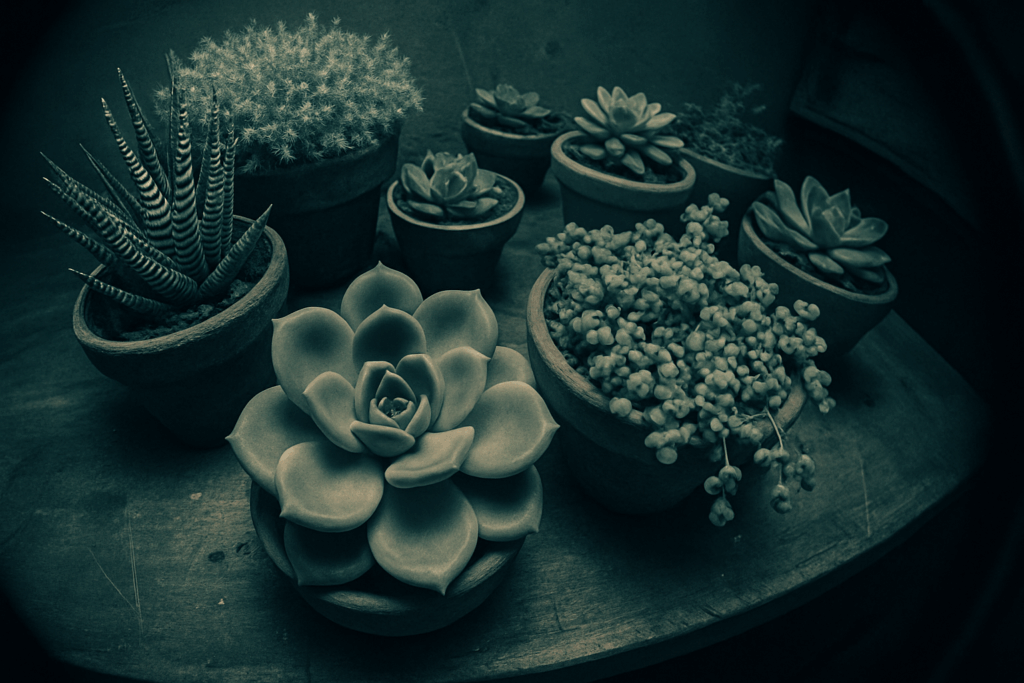
If you forget to water your plants good news. Succulents and cacti don’t just survive neglect; they thrive on it. Their thick, fleshy leaves and stems store water, making them a solid pick for people who are better at buying plants than babying them.
They do best with lots of sunlight, so place them on a bright windowsill or in a sun drenched corner of your patio. No fancy soil mix needed just something that drains fast, like cactus soil or a sand heavy blend.
Some standout choices? Jade Plant brings that tree in a pot look with almost no upkeep. Echeveria offers a rosette style with colors that shift under sunlight. And then there’s Aloe Vera: easy to grow, tough to kill, and a natural remedy for burns if you need it.
Bottom line: if your schedule is packed or your memory spotty, succulents and cacti have your back.
Smart Plant Practices That Save You Time
If you’re not looking to spend every weekend wrestling weeds or watering, a few smart techniques go a long way.
Start with mulch. It’s not flashy, but it’s effective. A couple of inches of bark, straw, or even shredded leaves can keep weeds from sprouting and help the soil hold onto moisture longer. Less watering. Less weeding. More time for literally anything else.
Next up: self watering pots and raised beds. They’re built for hands off gardening. Self watering containers reduce how often you need to check soil, especially during heat waves. Raised beds? They drain better, warm up faster in spring, and let you control soil quality. Big win for busy people.
Lastly, group your plants by care needs. Water hungry flowers in one zone, drought tolerant in another. Shade lovers grouped with shade lovers. It cuts confusion and lets you care for whole sections at once. Doesn’t matter if you’ve got a patio or a patch of backyard it scales to fit.
These simple habits don’t just save time. They make your garden more resilient, more consistent, and easier to enjoy.
When to Plant What (and Forget About It)

Timing is everything when it comes to gardening especially if your goal is to keep the effort low and the results high. Knowing when (and where) to plant can save you time, boost plant success, and reduce maintenance needs throughout the year.
Outdoor Planting Calendar by Region
Planting at the right time for your zone means your plants can establish roots and thrive with less intervention.
Northern Regions (Zones 3 5):
Start cool season perennials and hardy groundcovers in early spring.
Succulents and heat loving plants should go in after the final frost.
Mid Latitude Regions (Zones 6 7):
Early spring or fall is best for most perennials.
Groundcovers can be planted in early summer to suppress weeds.
Southern & Coastal Regions (Zones 8 11):
Take advantage of mild winters for late year planting.
Choose drought tolerant varieties that handle heat with ease.
Indoor Rotation for Seasonal Light Shifts
Just like outdoor plants, your indoor greenery benefits from seasonal adjustments based on light and temperature changes.
Rotate your plants every few weeks to encourage even growth.
Move light loving plants closer to windows during short winter days.
Shift sensitive plants away from heaters or drafty windows through colder months.
Achieving a Low Effort Year Round Balance
Careful selection + good timing = a self sustaining garden that asks for less and gives more.
Combine slow growers with seasonal stunners
Use a mix of evergreen and deciduous plants to keep visual interest all year
Let nature do more of the work by syncing your planting with regional weather patterns
Designing your planting schedule around your climate and indoor lighting isn’t just smart it’s your shortcut to a thriving, low maintenance garden, indoors and out.
Give Your Garden a Boost Without Daily Effort
Just because you’re going low maintenance doesn’t mean your garden has to look like an afterthought. Start by layering your easy care plants mix heights, textures, and colors to create depth without adding chores. A tall Snake Plant alongside a mat of creeping thyme and a mid level coneflower? That’s good design doing the hard work.
Next, rethink your layout. Stylish pathways made of gravel, stone, or pavers cut down on mowing and define space at the same time. Go vertical with wall planters or tiered shelving units not just a space saver, but a visual win that also makes watering quicker.
And speaking of watering: automate it. A basic drip system or smart irrigation controller pays for itself in time saved and plants saved. No more dragging hoses or guessing if that rosemary is thirsty.
Want to see what these ideas look like in real life? Browse more no sweat solutions in these garden upgrade ideas.
Wrap It Up Without Wrapping Yourself In Chores
Low maintenance gardening isn’t about cutting corners it’s about making smart, simple choices that do the work for you. Start by choosing plants that don’t need constant babysitting. Think perennials that come back strong, succulents that shrug off drought, and indoor greens that don’t flinch if you forget to water them for a week. These plants thrive with minimal input and still deliver serious payoff.
Use small strategies that scale. Mulch to fight weeds without constant pulling. Group plants by their care needs so you’re not juggling five different watering schedules. Invest once in self watering systems or sturdy raised beds, and they’ll keep paying you back in free time.
You don’t need a full time green thumb to enjoy a space that looks cared for. With the right mix of plants and a few clever upgrades, your garden becomes something that gives more than it takes. For smart ways to level up without loading up your to do list, check out these garden upgrade ideas.
 There is a specific skill involved in explaining something clearly — one that is completely separate from actually knowing the subject. Malric Yelthorne has both. They has spent years working with home design inspirations in a hands-on capacity, and an equal amount of time figuring out how to translate that experience into writing that people with different backgrounds can actually absorb and use.
Malric tends to approach complex subjects — Home Design Inspirations, Gardening and Landscaping Advice, DIY Projects and Ideas being good examples — by starting with what the reader already knows, then building outward from there rather than dropping them in the deep end. It sounds like a small thing. In practice it makes a significant difference in whether someone finishes the article or abandons it halfway through. They is also good at knowing when to stop — a surprisingly underrated skill. Some writers bury useful information under so many caveats and qualifications that the point disappears. Malric knows where the point is and gets there without too many detours.
The practical effect of all this is that people who read Malric's work tend to come away actually capable of doing something with it. Not just vaguely informed — actually capable. For a writer working in home design inspirations, that is probably the best possible outcome, and it's the standard Malric holds they's own work to.
There is a specific skill involved in explaining something clearly — one that is completely separate from actually knowing the subject. Malric Yelthorne has both. They has spent years working with home design inspirations in a hands-on capacity, and an equal amount of time figuring out how to translate that experience into writing that people with different backgrounds can actually absorb and use.
Malric tends to approach complex subjects — Home Design Inspirations, Gardening and Landscaping Advice, DIY Projects and Ideas being good examples — by starting with what the reader already knows, then building outward from there rather than dropping them in the deep end. It sounds like a small thing. In practice it makes a significant difference in whether someone finishes the article or abandons it halfway through. They is also good at knowing when to stop — a surprisingly underrated skill. Some writers bury useful information under so many caveats and qualifications that the point disappears. Malric knows where the point is and gets there without too many detours.
The practical effect of all this is that people who read Malric's work tend to come away actually capable of doing something with it. Not just vaguely informed — actually capable. For a writer working in home design inspirations, that is probably the best possible outcome, and it's the standard Malric holds they's own work to.