
Start With Sustainable Materials
The foundation of an eco friendly kitchen starts with what it’s made of. Swap out conventional cabinets and counters for options built from recycled or reclaimed materials. These don’t just lower your carbon footprint they also bring character that factory perfect finishes can’t match.
For flooring and furniture, look for wood certified by the Forest Stewardship Council (FSC), or go with bamboo. Both options are durable, renewable, and better choices for forests and habitat preservation. Bamboo especially scores well when sustainability meets style.
Paint and sealants matter more than most people realize. Traditional products can off gas VOCs volatile organic compounds that linger long after that ‘fresh paint’ smell is gone. Instead, go with non toxic, low VOC versions to keep your indoor air cleaner and your living space healthier.
Energy Efficient Appliances Matter
Upgrading your kitchen with high efficiency appliances is one of the most impactful ways to reduce your energy consumption. Modern eco friendly kitchens are not just about sustainable surfaces they rely on appliances that work smarter, not harder.
Choose ENERGY STAR Rated Appliances
The ENERGY STAR label is a quick indicator of environmentally responsible choices. These certified appliances use significantly less energy without sacrificing performance.
Stoves, refrigerators, and dishwashers with ENERGY STAR ratings can lower utility bills and carbon emissions
Bonus: They often include smart features for convenience and efficiency
Cook Smarter with Induction
Traditional electric and gas stoves waste a lot of heat. Induction cooktops, on the other hand, offer precise temperature control and minimize energy loss.
Heat is transferred directly to the cookware not the surrounding air
This means faster cooking times and cooler kitchens
Limit Phantom Energy Usage
Even when turned off, many appliances draw power. Smart energy saving accessories help manage this invisible waste.
Use smart plugs that schedule on/off times for small appliances
Add timers or energy monitors to better track usage
By making informed choices with your appliances, you can build a kitchen that’s efficient, cost effective, and in tune with your eco goals.
Rethink Your Cooking Tools
Your cooking tools play a huge role in the sustainability of your kitchen. Swapping out wasteful, breakable, or short lived items for long lasting alternatives doesn’t just benefit the planet it also makes for a better cooking experience.
Choose Durable, Eco Conscious Materials
Invest in high quality cookware that stands the test of time. Not only will you improve your daily cooking routine, but you’ll also keep unnecessary waste out of landfills.
Opt for stainless steel, cast iron, or non toxic ceramic cookware
Avoid non stick pans with chemical coatings that can degrade or release toxins
Choose tools that offer longevity even with regular use
Replace Single Use Items with Sustainable Swaps
Say goodbye to disposable plastics in the kitchen. A few simple replacements can drastically reduce your waste footprint:
Use silicone baking mats instead of parchment paper
Dry your hands and clean up messes with cloth towels in place of paper towels
Store leftovers in glass containers rather than plastic wrap or bags
Opt for Biodegradable Cleaning Tools
Daily cleanup is inevitable make it more eco friendly by switching to tools that break down naturally and reduce microplastic pollution:
Pick biodegradable sponges made from cellulose or loofah
Use wood handled scrub brushes with compostable bristles
Avoid synthetic scrubbers and plastic heavy accessories
Making mindful choices about your cookware and tools contributes to a more sustainable, low waste kitchen. These upfront investments are not only earth friendly but built to last for years to come.
Shop and Store Sustainably
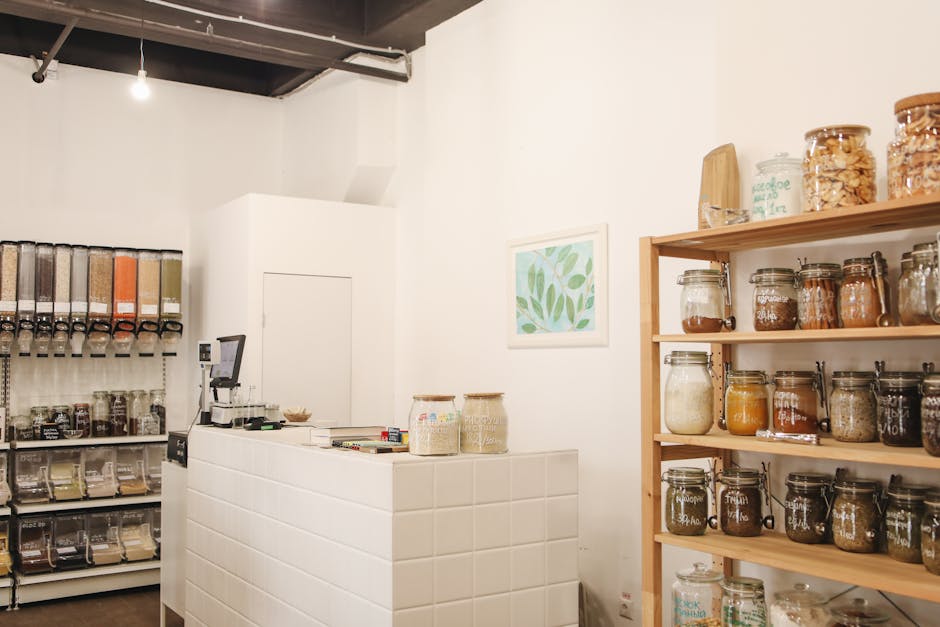
Going green in the kitchen starts with how you shop and how you store. Buying in bulk isn’t just for big families or doomsday preppers. It’s one of the simplest ways to cut back on packaging waste. Grains, nuts, pasta, and spices? Load up what you’ll use into reusable containers and skip the plastic wrap, boxes, and tiny bags that pile up fast.
Speaking of containers, ditch anything flimsy or single use. Glass jars are your best friend clear, durable, and easy to clean. Cloth produce bags are a smart swap for disposable plastic ones. If you’re going plastic at all, go BPA free and buy it to last.
Then there’s compost. If your kitchen doesn’t have a compost bin yet, it’s time. Food scraps shouldn’t be clogging your trash can when they could be feeding soil. A countertop bin with a tight sealing lid is all you really need to start. No need to overthink it scraps in, odors contained, less guilt every time you peel a carrot.
Water Saving Tactics
Cutting water usage in the kitchen doesn’t take a full remodel just a few smart swaps. A low flow faucet aerator is one of the simplest upgrades you can make. It screws on. It reduces how much water comes out without killing your water pressure. You won’t notice the difference, but your utility bill will.
Next, use your dishwasher but use it wisely. Run it only when it’s full. It actually uses less water than washing dishes by hand assuming you’re not letting the tap run the whole time. If you’re still going old school with handwashing, consider switching up your technique or saving it for smaller loads.
Lastly, think about rinsing water. Don’t let it go down the drain if it doesn’t have to. Use a basin to catch clean rinse water, and repurpose it for watering plants, soaking dirty pans, or even general cleanup. Small things done right make a big impact over time.
Add More Green
A little greenery goes a long way. Starting a small indoor herb garden doesn’t take much just a sunny windowsill, a few pots, and some soil. Basil, mint, and thyme are great starters. You’ll save trips to the store, cut down on packaging waste, and always have fresh flavor on hand.
Air purifying plants like peace lilies, spider plants, and pothos quietly do their job in the background. They clean the air without needing much in return. Place them near prep areas, over shelves, or beside the sink to green up your space without crowding it.
For décor, lean natural. Reclaimed wood shelves, secondhand ceramic bowls, or woven baskets made from recycled fibers can all add warmth and character without adding to your footprint. Keep it simple, raw, and functional the space will feel better, and so will you.
Make It Part of Your Lifestyle
Creating an eco friendly kitchen goes beyond materials and appliances it’s also about adopting sustainable behaviors that last.
Build Daily Eco Habits
Small, consistent actions can make a big impact over time. Set sustainable habits into your everyday kitchen routine:
Plan meals to reduce food waste
Reuse water where possible (e.g., rinsing veggies, soaking dishes)
Store leftovers in reusable containers
Opt for eco friendly dish soap and cleaning products
Stick to a weekly grocery list to avoid impulse buys
Involve Your Household
Sustainability works best when it’s a shared effort. Get everyone on board:
Assign tasks like composting or recycling to family members
Educate kids about food waste and smart energy use
Create a reward system for reducing kitchen trash
These mindset shifts can turn your eco kitchen into a model for mindful living.
Keep Learning
Eco friendly living is an ongoing journey. Stay curious and explore new ways to improve:
Try out zero waste recipes
Explore local farmers markets for seasonal ingredients
Read about greener living strategies and product swaps
Need more practical ideas? Check out this in depth guide on creating an eco kitchen setup for tips, tools, and inspiration.
Final Touches
Small changes make a big difference in the long run. Swap out outdated bulbs for LEDs they use a fraction of the energy and last longer. Combine that with natural light where you can. Keep your kitchen bright during the day without flipping a switch.
Next, handle recycling in a way that fits your space and routine. That might mean separate bins under the sink, labeled containers in a corner, or a basic two bag system. The goal is simple: make it easy enough that you’ll actually stick with it.
Your eco friendly setup won’t be perfect on day one. Don’t worry about that. Make it flexible move things around, fine tune your system, figure out what works as you live with it. This isn’t a one time project; it’s a setup that grows with you.
Want to dive deeper into sustainable home choices? Revisit this detailed breakdown of an eco kitchen setup to get started.
 Jordanae Lewisters has opinions about sustainable living solutions. Informed ones, backed by real experience — but opinions nonetheless, and they doesn't try to disguise them as neutral observation. They thinks a lot of what gets written about Sustainable Living Solutions, DIY Projects and Ideas, Home Design Inspirations is either too cautious to be useful or too confident to be credible, and they's work tends to sit deliberately in the space between those two failure modes.
Reading Jordanae's pieces, you get the sense of someone who has thought about this stuff seriously and arrived at actual conclusions — not just collected a range of perspectives and declined to pick one. That can be uncomfortable when they lands on something you disagree with. It's also why the writing is worth engaging with. Jordanae isn't interested in telling people what they want to hear. They is interested in telling them what they actually thinks, with enough reasoning behind it that you can push back if you want to. That kind of intellectual honesty is rarer than it should be.
What Jordanae is best at is the moment when a familiar topic reveals something unexpected — when the conventional wisdom turns out to be slightly off, or when a small shift in framing changes everything. They finds those moments consistently, which is why they's work tends to generate real discussion rather than just passive agreement.
Jordanae Lewisters has opinions about sustainable living solutions. Informed ones, backed by real experience — but opinions nonetheless, and they doesn't try to disguise them as neutral observation. They thinks a lot of what gets written about Sustainable Living Solutions, DIY Projects and Ideas, Home Design Inspirations is either too cautious to be useful or too confident to be credible, and they's work tends to sit deliberately in the space between those two failure modes.
Reading Jordanae's pieces, you get the sense of someone who has thought about this stuff seriously and arrived at actual conclusions — not just collected a range of perspectives and declined to pick one. That can be uncomfortable when they lands on something you disagree with. It's also why the writing is worth engaging with. Jordanae isn't interested in telling people what they want to hear. They is interested in telling them what they actually thinks, with enough reasoning behind it that you can push back if you want to. That kind of intellectual honesty is rarer than it should be.
What Jordanae is best at is the moment when a familiar topic reveals something unexpected — when the conventional wisdom turns out to be slightly off, or when a small shift in framing changes everything. They finds those moments consistently, which is why they's work tends to generate real discussion rather than just passive agreement.