
Quick Wins That Cost Nothing
Start with what you already have. Most homes are quietly bleeding energy through habits we barely notice.
First, unplug devices when you’re not using them. Chargers, TVs, gaming consoles they draw power even when switched off. That’s phantom energy, and it adds up. Pull the plug or use a power strip and flip the switch.
During colder months, open your curtains during the day. Sunlight is free heat. Let it warm your home naturally, then close them after dark to lock it in.
Adjust your thermostat a few degrees depending on the season. Lower in winter, higher in summer. Even a couple degrees makes a noticeable difference on your bill and you’ll barely feel it.
Finally, close doors and vents in rooms you’re not using. Why heat or cool air you’re not breathing? Keep the energy focused where it matters.
Simple changes. Zero cost. Real savings.
Low Cost Upgrades That Pay Off
If you’re not ready to tear open walls or swap all your appliances, these simple upgrades still make a dent in both your energy use and your bills.
Start with LED bulbs. They sip electricity compared to old school incandescents and last years longer. Swap them in once, and forget about it for a while.
Next, seal the draft. Weather stripping around doors and windows is cheap and often a 30 minute DIY job. It keeps warm air inside when it’s cold and cool air in when it’s hot basic insulation that adds up fast.
Smart power strips are another quiet win. They cut power to devices that suck juice even when turned off (we’re looking at you, game consoles and chargers). Set it and forget it.
Finally, check your water heater. Insulating the tank with a wrap keeps heat from leaking out, and setting the temperature to 120°F no higher uses less energy and keeps you safe from scalding.
These fixes don’t break the bank, but over time, they help you keep more money in your pocket and use less energy doing it.
Smarter Appliance Use
Appliances are some of the biggest energy drains in your home but with a few habit changes, you can cut that load without spending a dime. Start with the basics: run your dishwasher and laundry machines only when they’re full. Fewer full loads beat lots of half empty ones every time, both for water use and energy.
Next, wash clothes in cold water whenever it’ll do the job. Modern detergents are built for it, and your hot water heater can take a well deserved break. It’s a simple shift that shaves dollars off your bill.
Skip the heater where you can. Air dry dishes and clothes instead of relying on the heating cycle or dryer. It may take a little longer, but it costs literally nothing and adds up fast.
And here’s one people often overlook: keep your fridge and freezer full. A packed unit retains cold better when the door opens, so the system doesn’t have to work as hard. If you don’t have enough food to fill it, try jugs of water they work just as well.
Small strategies, big impact. Use what you’ve got, but use it smarter.
Home Tech for Energy Efficiency
Home technology doesn’t have to be high end or complicated to make a real dent in your energy use. Start with a programmable thermostat. It learns your patterns, adjusts temps when you’re away or asleep, and you barely have to think about it again. Spend less heating and cooling an empty house save more without noticing.
Next up: motion sensors or timers for lights. These are especially solid for guest rooms, hallways, or basements spaces that don’t need constant illumination. Set it and forget it. Lights go off when no one’s there. Simple win.
Lastly, smart plugs and energy tracking apps give you visibility. See what’s drawing power, when, and how often. Once you know where the watts are leaking, pulling the plug (literally or digitally) is easy. Automation helps, but insight is what really gets you saving.
These tools aren’t just gadgets they’re low fuss upgrades that cut bills and give you more control. Use them right, and they pay for themselves.
Design and Decor That Work for You
Energy efficiency doesn’t stop at appliances or insulation it flows into how you set up your living space. Light colored walls and ceilings reflect sunlight more effectively, cutting down your need to flip on the lights during the day. It’s a simple shift with a noticeable impact on both mood and power bills.
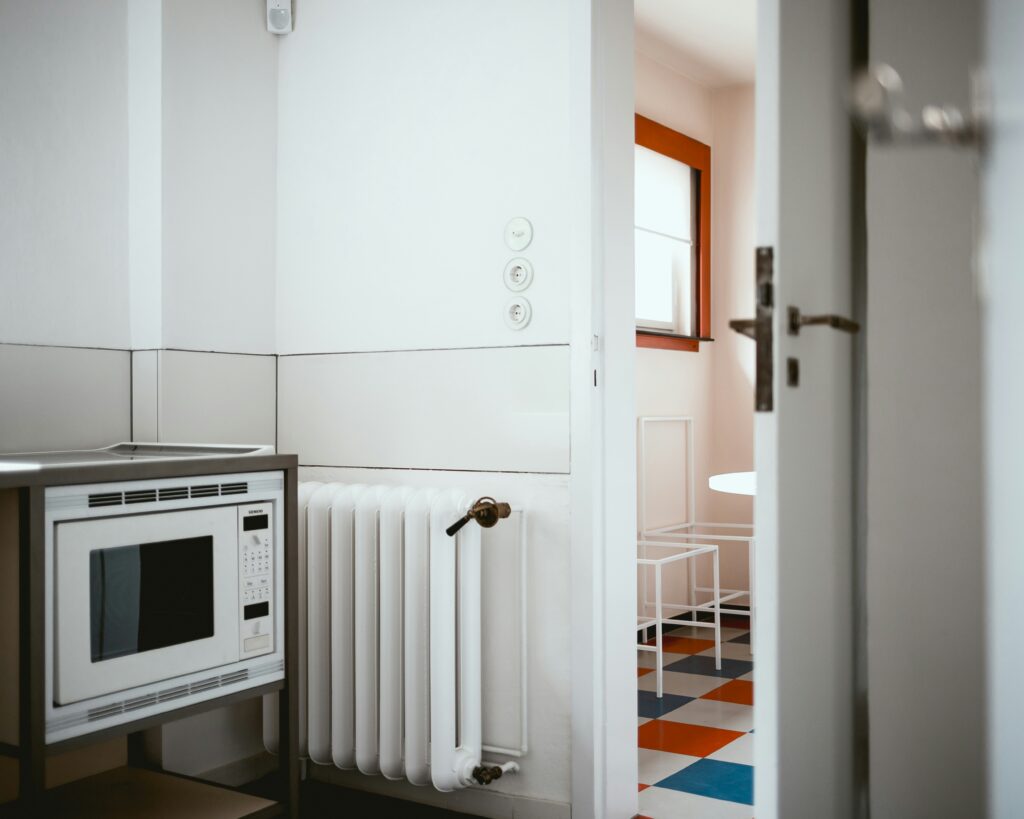
Give your furniture some thought not just for looks, but for airflow. Don’t block vents or radiators, and try not to crowd windows. Let air and heat move naturally. A small tweak in layout can mean better circulation and more stable room temps, without touching the thermostat.
Area rugs do more than cover floors. They trap warmth in winter and block cold that seeps up from tile or wood. Heavy curtains act as low tech insulation too, keeping sun heat out in the summer and warm air in during colder months.
Want to take it further? Check out more decor ideas for efficiency.
When to Think Bigger
If you’ve handled the quick fixes and small upgrades, it’s time to make the leap to the big stuff the changes that take more upfront, but pay off month after month.
Start with your appliances. If your fridge is older than the last iPhone you bought, it’s probably time to upgrade. ENERGY STAR models use significantly less electricity, and over time, the savings outweigh the cost. Same goes for washers, dryers, dishwashers, even heating and cooling systems.
Insulation is another quiet game changer. Adding it to your attic or under floors keeps warm air in during winter and out in summer. That means your systems don’t have to work as hard less energy, lower bills, more comfort.
And yes, solar panels are no longer just for the ultra eco crowd. Prices have dropped, incentives are better than ever, and the long term return is hard to ignore. If your roof gets solid sunlight, it’s worth getting a quote.
Finally, don’t guess test. A home energy audit will show weak points you may not see: leaking ducts, poor sealing, insulation gaps. Many utilities offer audits for low or no cost. Find the issues, fix them, and feel those savings roll in.
Keep It Going
Saving energy isn’t a one and done job it’s a habit. Start by tracking your energy bill every month. Not just the total cost, but the actual usage in kilowatt hours. This gives you a clear picture of what’s working and where things might be slipping. Over time, those trends tell a story.
Next, don’t try to overhaul everything at once. Pick one solid energy saving goal each season. Winter? Seal up drafts. Summer? Dial in your AC settings. Tackling one thing at a time keeps it realistic and sustainable.
And here’s the part people skip: bring the household in. Everyone needs to be on the same page. Kids, roommates, partners energy efficiency works best as a team effort. Explain what you’re doing and why. Small changes from everyone add up fast.
 Jordanae Lewisters has opinions about sustainable living solutions. Informed ones, backed by real experience — but opinions nonetheless, and they doesn't try to disguise them as neutral observation. They thinks a lot of what gets written about Sustainable Living Solutions, DIY Projects and Ideas, Home Design Inspirations is either too cautious to be useful or too confident to be credible, and they's work tends to sit deliberately in the space between those two failure modes.
Reading Jordanae's pieces, you get the sense of someone who has thought about this stuff seriously and arrived at actual conclusions — not just collected a range of perspectives and declined to pick one. That can be uncomfortable when they lands on something you disagree with. It's also why the writing is worth engaging with. Jordanae isn't interested in telling people what they want to hear. They is interested in telling them what they actually thinks, with enough reasoning behind it that you can push back if you want to. That kind of intellectual honesty is rarer than it should be.
What Jordanae is best at is the moment when a familiar topic reveals something unexpected — when the conventional wisdom turns out to be slightly off, or when a small shift in framing changes everything. They finds those moments consistently, which is why they's work tends to generate real discussion rather than just passive agreement.
Jordanae Lewisters has opinions about sustainable living solutions. Informed ones, backed by real experience — but opinions nonetheless, and they doesn't try to disguise them as neutral observation. They thinks a lot of what gets written about Sustainable Living Solutions, DIY Projects and Ideas, Home Design Inspirations is either too cautious to be useful or too confident to be credible, and they's work tends to sit deliberately in the space between those two failure modes.
Reading Jordanae's pieces, you get the sense of someone who has thought about this stuff seriously and arrived at actual conclusions — not just collected a range of perspectives and declined to pick one. That can be uncomfortable when they lands on something you disagree with. It's also why the writing is worth engaging with. Jordanae isn't interested in telling people what they want to hear. They is interested in telling them what they actually thinks, with enough reasoning behind it that you can push back if you want to. That kind of intellectual honesty is rarer than it should be.
What Jordanae is best at is the moment when a familiar topic reveals something unexpected — when the conventional wisdom turns out to be slightly off, or when a small shift in framing changes everything. They finds those moments consistently, which is why they's work tends to generate real discussion rather than just passive agreement.