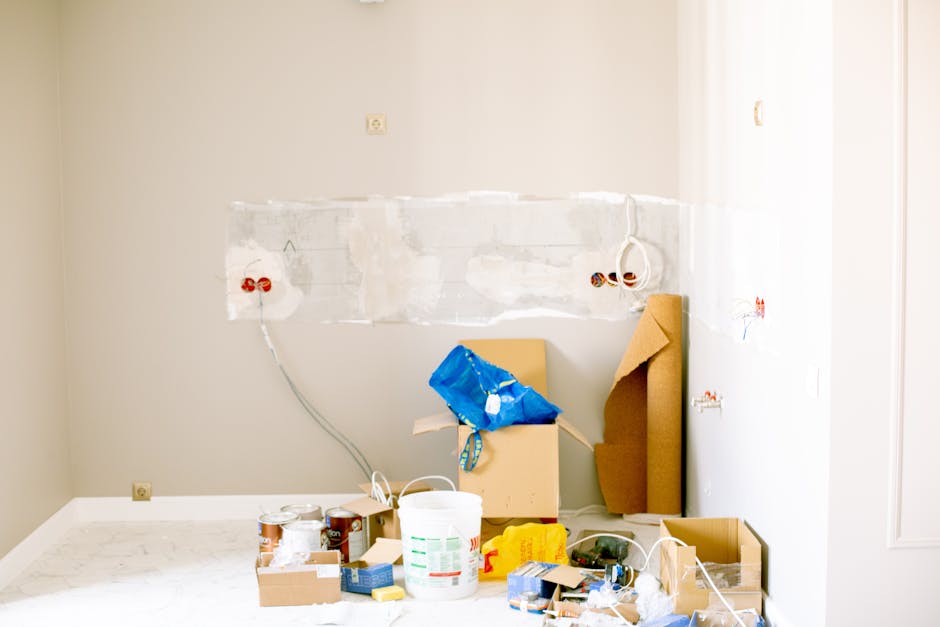

I’ve managed enough large home renovations to know they’re nothing like regular projects.
You’re probably here because you own a big house and you’re thinking about renovating. Maybe you’ve already gotten a few quotes and your head is spinning from the numbers and complexity.
Here’s the thing: large homes come with problems most contractors don’t talk about. The logistics alone can derail your timeline. The budget? It grows in ways you didn’t expect.
I spent years working on these kinds of projects. The ones where square footage matters and every decision has ripple effects across multiple rooms or floors.
This guide covers what you actually need to know before you start. I’ll walk you through the planning process, how to set a realistic budget, and what to look for when you’re hiring your team.
We’ve developed a framework at homemendous that helps homeowners tackle these renovations without losing their minds. It’s based on real projects, not theory.
You’ll learn how to think strategically about your space, where to spend your money, and how to avoid the mistakes that turn renovations into nightmares.
No fluff about dream homes. Just practical steps for getting your large-scale renovation done right.
The Scale Factor: Why Large Home Renovations Are a Different Beast
Here’s what most people get wrong about big renovations.
They think a 4,000 square foot house is just twice as hard as a 2,000 square foot one. Double the rooms, double the work, right?
Wrong.
I learned this the hard way back in 2018 when I watched a friend tackle a whole-house renovation on a sprawling Victorian. What started as a six-month project turned into eighteen months of chaos.
The complexity doesn’t scale linearly. It multiplies.
When you’re working on a large home, every system connects to every other system across a massive footprint. Your HVAC needs to push air through twice the ductwork. Your electrical panel has to feed outlets in rooms that are 80 feet apart. Your plumbing runs under floors you can’t easily access.
And if any of those systems are underpowered? You’ve got a major problem.
I’ve seen homeowners spend $40,000 on a beautiful kitchen remodel only to realize their existing HVAC can’t keep up. Now they’re ripping open walls they just closed to upgrade ductwork.
Then there’s the logistics nightmare.
Try coordinating three different crews working in separate wings of your house. The electricians need the drywall guys done. The painters can’t start until the electricians finish. Meanwhile, you’ve got a dumpster blocking your driveway for weeks and material deliveries showing up at random times.
After two months of this, most families are ready to move into a hotel.
But here’s the part that really trips people up. Keeping everything cohesive.
You update the master suite with modern fixtures and clean lines. Great. But now it clashes with the traditional molding in the hallway. You replace windows in the east wing with energy-efficient models, and suddenly the old windows in the west wing look dated.
At homemendous, I always tell people the same thing. Large renovations require a master plan before you touch anything. Because once you start, every decision ripples through the entire house.
Strategic Planning & Phasing for Major Projects
You can’t wing a major renovation.
I’ve seen too many homeowners jump into demo day without a real plan. Six months later they’re living in chaos with no end in sight.
Here’s what most people get wrong. They think planning means picking out paint colors and browsing Pinterest. That’s not planning. That’s decorating.
Real planning means mapping out the entire project before you touch anything.
Some contractors will tell you to just start somewhere and figure it out as you go. They say plans always change anyway so why bother with all the upfront work.
But that’s how projects spiral. You end up redoing things because you didn’t think three steps ahead.
Start with the master plan. Even if you’re phasing the work over two years, you need to see the whole picture now. Where are the walls going? How will plumbing routes work? What’s the electrical load?
At Homemendous, we break big renovations into three phases:
- Structural and exterior work first. Foundation issues, roof repairs, windows, siding. Get the bones right.
- Core living spaces next. Kitchen, main bathroom, living areas where you spend most of your time.
- Bedrooms and private spaces last. These are easier to live around while under construction.
The safe zone matters more than you think. Section off one part of your house that stays clean and functional. Use plastic sheeting and create an airlock entry. You need somewhere to retreat when the dust gets unbearable (and it will).
One more thing about permits. Large projects trigger different rules than small ones. Adding square footage or changing your home’s footprint? Your local zoning board wants to know. Talk to them early, not after you’ve already started framing.
Budgeting Beyond Square Footage: Hidden Costs in Large-Scale Renovations
You’ve seen those HGTV shows where they toss out a number per square foot and call it a budget.
It’s nonsense.
I learned this the hard way on my first big renovation. I calculated everything at $150 per square foot and felt pretty smart about it. Then the contractor started peeling back walls.
The per square foot myth falls apart fast. A 3,000 square foot ranch with 8-foot ceilings costs way less than a 3,000 square foot home with vaulted ceilings and custom millwork. But both get quoted the same rate.
Here’s what actually drives your budget up.
Scaffolding alone can run you $2,000 to $5,000 if you’ve got high ceilings. Nobody mentions that in the square footage math. And if you’re doing a whole-house flooring job, you’re looking at material costs that scale linearly but labor that doesn’t (because transitions and cuts multiply with room count).
Then there’s the electrical panel. Most older large homes need a 200-amp upgrade minimum. That’s $2,500 to $4,000 right there.
I always tell people to budget a 20% contingency. Some folks push back on this. They say 10% should cover it.
But think about it like this. The bigger your home, the more systems you have. More systems means more things that can go wrong. I’ve opened walls in large homes and found knob-and-tube wiring (like finding a cassette player in a Tesla), water damage that spread across three rooms, and HVAC ducts held together with duct tape and hope.
The math is simple. A $100,000 project with a 10% surprise costs you $10,000. But large renovations rarely stay under budget without that buffer.
Now here’s where it gets interesting.
You can save money buying flooring in bulk. Order 2,000 square feet of hardwood and you’ll get a better rate than someone buying 500. Same with paint and basic fixtures.
But customization? That’s where costs explode.
Standard windows come in maybe 20 sizes. Need something bigger for that great room? You’re going custom. A standard window might cost $400 installed. That custom 8-foot unit? Try $2,500.
Countertops work the same way. A 10-foot run is standard. But if you want a 15-foot island with no seams, you’re paying for specialty fabrication and probably a crane to get it through your door. Just as a custom 15-foot island requires specialty fabrication and careful logistics, the creative process behind developing a game’s demands meticulous attention to detail and a clear vision to ensure it captivates players from the very first glance.
I keep a running list on Homemendous garden infoguide by homehearted of where to splurge and where to save. Because knowing the difference keeps your project from bleeding money.
The real budget isn’t what you think it’ll cost. It’s what it actually costs when reality shows up.
Finding the Right Team: Vetting Contractors for Large Residential Projects
You need someone who’s done this before.
Not just any renovation. A project like yours.
Here’s what most homeowners get wrong. They hire a contractor who’s great at kitchen remodels and expect them to handle a whole-house gut job. Those are different animals.
A large residential project means managing multiple trades over months. It means ordering materials weeks in advance so they arrive when you need them (not when your living room is still torn apart). It means knowing when the electrician needs to come in before the drywall guy shows up.
That’s project management. Not everyone has it.
Specialist vs. Generalist
I’m going to be straight with you.
A contractor who does everything probably doesn’t do large projects well. You want someone whose portfolio shows work at your scale.
What does that look like? They should have managed projects that took at least three months. They should be comfortable coordinating five or more subcontractors at once.
Ask to see their past work. Not just photos. The actual scope and timeline.
Questions That Matter

When you sit down with potential contractors, ask these:
Can you show me three projects of a similar scale? If they can’t, that’s your answer right there.
How do you manage supply chain and subcontractor schedules on a long-term project? Listen for specifics. They should mention scheduling software or detailed timelines.
What is your communication protocol for a multi-phase renovation? You need to know how often they’ll update you and through what channel.
Their answers tell you if they’ve actually done this before or if they’re winging it.
Insurance and Bonding
This part isn’t exciting but it matters.
Verify their liability insurance covers the full value of your property plus the renovation cost. If something goes wrong, you don’t want to find out their policy maxes out at half what your home is worth.
Bonding protects you if they abandon the project or don’t pay their subs. For large projects, this isn’t optional.
When to Bring in an Architect
Sometimes you need a buffer between you and the contractor.
An architect or designer can act as your advocate. They review the contractor’s work, catch problems early, and make sure the vision you discussed actually happens.
For projects over $200K or anything involving structural changes, I’d bring one in. They speak the contractor’s language but work for you.
At homemendous, we see homeowners skip this step to save money. Then they spend twice that fixing mistakes.
Maximizing Space: Renovation Ideas Unique to Large Homes
Most renovation advice focuses on making small spaces feel bigger.
But what about when you actually have space to work with?
I’ve noticed something interesting. People with large homes often struggle just as much with their layouts. They have rooms that sit empty or spaces that don’t serve any real purpose.
Here’s what most designers won’t tell you.
Having more square footage doesn’t automatically mean better living. I’ve walked through 4,000-square-foot homes that felt cramped because the flow was terrible.
Creating Multi-Functional Zones
That formal living room you never use? Turn it into something you’ll actually spend time in.
I’ve seen homeowners at homemendous transform these spaces into combined library and music rooms. You get built-in shelving on three walls and a dedicated corner for a piano or sound system.
Or consider a wellness zone. Combine your home gym with a sauna and cold plunge area. It sounds fancy but it’s just smart use of space you already have.
Improving Flow and Light
The real opportunity in large homes isn’t adding more. It’s removing what blocks movement and natural light.
Widen your hallways from three feet to five. It changes how the entire house feels when you walk through it.
Interior windows between rooms let light travel deeper into your home (and they look better than you’d think).
Luxury Additions Worth Considering
Some upgrades make sense when you have the room. Home theaters that don’t compromise your main living areas. Wine cellars with proper climate control. Indoor-outdoor spaces that actually connect instead of just sitting next to each other.
The key is choosing what you’ll use.
Transforming Your House into a Cohesive Home
You’ve got a vision for your home. But turning that vision into reality through a large renovation feels overwhelming.
I get it. Big projects come with big risks.
Without a solid plan, you’re looking at budget overruns and a final result that doesn’t quite fit together. Rooms that feel disconnected. Design choices you regret. Money wasted on fixes that could have been avoided.
Here’s the thing: large renovations need a different approach than small updates.
You need a master plan before you touch anything. This means mapping out every space and how it connects to the next. It means budgeting for the unexpected (because it will happen). And it means hiring people who actually specialize in projects this size. Before diving into your ambitious landscaping project, it’s essential to consult the comprehensive Homemendous Garden Infoguide by Homehearted, which provides invaluable insights on planning, budgeting, and hiring the right professionals to ensure your vision comes to life seamlessly.
When you do this right, you protect yourself from costly mistakes. You end up with a home that flows naturally from room to room.
Make Your Move
Start with your master plan today. Sketch out what you want each space to become and how they’ll work together.
Then find professionals who’ve done this before. Not just any contractor, but someone who understands the complexity of whole-home transformations.
Your house has potential. The right plan turns that potential into the cohesive home you’ve been imagining.
homemendous gives you the guidance to make it happen. How to Set up My Garden Homemendous.
 There is a specific skill involved in explaining something clearly — one that is completely separate from actually knowing the subject. Malric Yelthorne has both. They has spent years working with home design inspirations in a hands-on capacity, and an equal amount of time figuring out how to translate that experience into writing that people with different backgrounds can actually absorb and use.
Malric tends to approach complex subjects — Home Design Inspirations, Gardening and Landscaping Advice, DIY Projects and Ideas being good examples — by starting with what the reader already knows, then building outward from there rather than dropping them in the deep end. It sounds like a small thing. In practice it makes a significant difference in whether someone finishes the article or abandons it halfway through. They is also good at knowing when to stop — a surprisingly underrated skill. Some writers bury useful information under so many caveats and qualifications that the point disappears. Malric knows where the point is and gets there without too many detours.
The practical effect of all this is that people who read Malric's work tend to come away actually capable of doing something with it. Not just vaguely informed — actually capable. For a writer working in home design inspirations, that is probably the best possible outcome, and it's the standard Malric holds they's own work to.
There is a specific skill involved in explaining something clearly — one that is completely separate from actually knowing the subject. Malric Yelthorne has both. They has spent years working with home design inspirations in a hands-on capacity, and an equal amount of time figuring out how to translate that experience into writing that people with different backgrounds can actually absorb and use.
Malric tends to approach complex subjects — Home Design Inspirations, Gardening and Landscaping Advice, DIY Projects and Ideas being good examples — by starting with what the reader already knows, then building outward from there rather than dropping them in the deep end. It sounds like a small thing. In practice it makes a significant difference in whether someone finishes the article or abandons it halfway through. They is also good at knowing when to stop — a surprisingly underrated skill. Some writers bury useful information under so many caveats and qualifications that the point disappears. Malric knows where the point is and gets there without too many detours.
The practical effect of all this is that people who read Malric's work tend to come away actually capable of doing something with it. Not just vaguely informed — actually capable. For a writer working in home design inspirations, that is probably the best possible outcome, and it's the standard Malric holds they's own work to.