
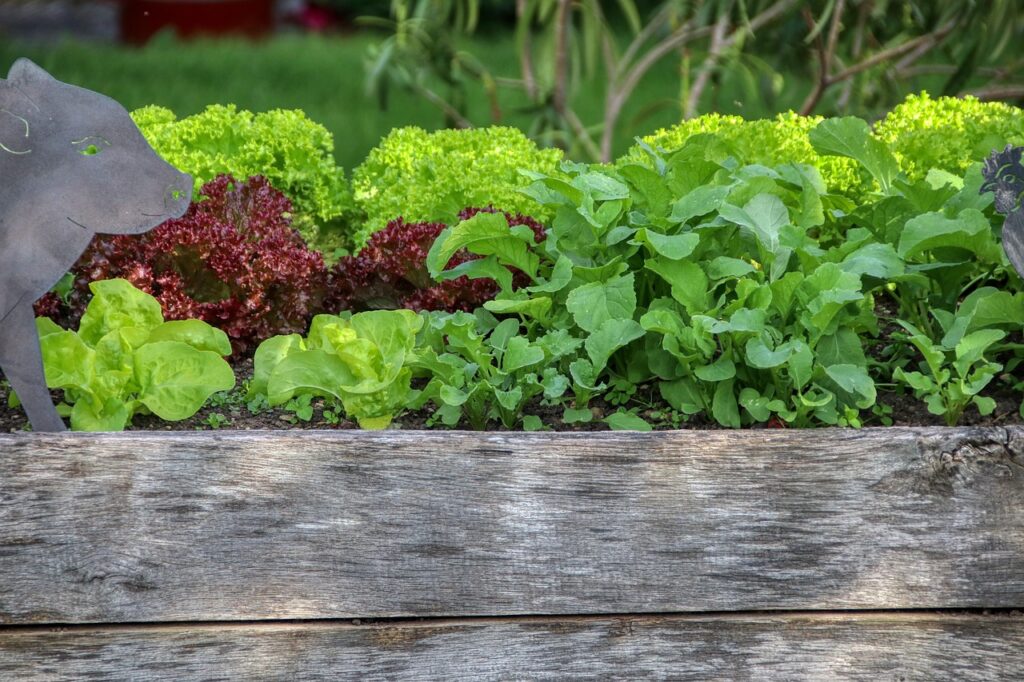
Know Why Raised Beds Work
Raised bed gardening has become a go to method for both novice and seasoned gardeners and for good reason. A raised bed doesn’t just elevate your crops it raises your entire gardening experience.
Key Advantages of Raised Beds
Better Drainage & Soil Control
Elevated beds allow water to drain more efficiently than traditional in ground gardens. Since you’re in charge of the soil mix, you can skip dealing with poor native soil and give your plants exactly what they need.
Easier Weed and Pest Management
Raised beds provide a natural barrier against common garden nuisances. Fewer weeds creep in, and it’s easier to set up physical deterrents like fencing or mesh to keep pests out.
User Friendly Design
Gardening in raised beds is less physically demanding no deep digging required, and soil stays loose with minimal effort. Plus, their structured layout makes them ideal for tight spaces like patios or side yards.
Why Beginners Love Them
For anyone just starting out, raised beds simplify many of the challenges that come with traditional gardening:
Defined growing space means less guesswork
Improved soil equals better plant success rates
Visual organization helps build gardening habits
If you’re short on space or new to gardening, raised beds could be the perfect place to start.
Pick the Right Spot
A raised bed is only as good as where you plant it. Step one: go where the sun is. Aim for at least 6 to 8 hours of direct sunlight daily vegetables thrive on light, and without it, nothing else matters.
Next up, water access. Don’t overthink it just make sure your hose or watering can easily reaches the bed. If it’s a chore to irrigate, you’ll skip it. Dry soil equals stunted growth.
Finally, avoid low or swampy areas. Raised beds drain better than in ground plots, but they’re not magic. Poor airflow and excess water lead to rot, mildew, and mosquito invites. Choose a spot with good ventilation and a slight slope if you’ve got it. Simple, solid, and functional that’s your planting turf.
Prepare the Foundation
Before you add soil or plants, it’s essential to create a clean and pest resistant base for your raised bed. Taking the time to prepare the foundation properly can save you from persistent weeds and unwanted critters later.
Step 1: Clear the Ground
Start by removing any existing vegetation from the area where your bed will go.
Dig out grass, sod, and weeds completely
Use a spade or hoe to loosen compacted soil if necessary
Rake the area smooth before moving on
Step 2: Lay a Weed Barrier
A simple, natural weed barrier can help suppress future growth, especially invasive grasses.
Use cardboard or several layers of newspaper to cover the ground
Overlap materials to ensure there are no gaps
Dampen the layers slightly to help them stay in place
Tip: Skip synthetic weed fabric it’s less eco friendly and can interfere with drainage over time.
Step 3 (Optional): Protect Against Pests
If you’re in a region with gophers, moles, or other burrowing animals, installing mesh underneath your bed is a smart preventive step.
Lay down galvanized wire mesh or hardware cloth at the bottom
Staple or secure it to the bottom of wooden frames
Make sure mesh overlaps all interior edges to stop critters from squeezing in
Proper foundation prep helps your raised garden bed thrive from the ground up literally.
Fill with the Right Soil Mix
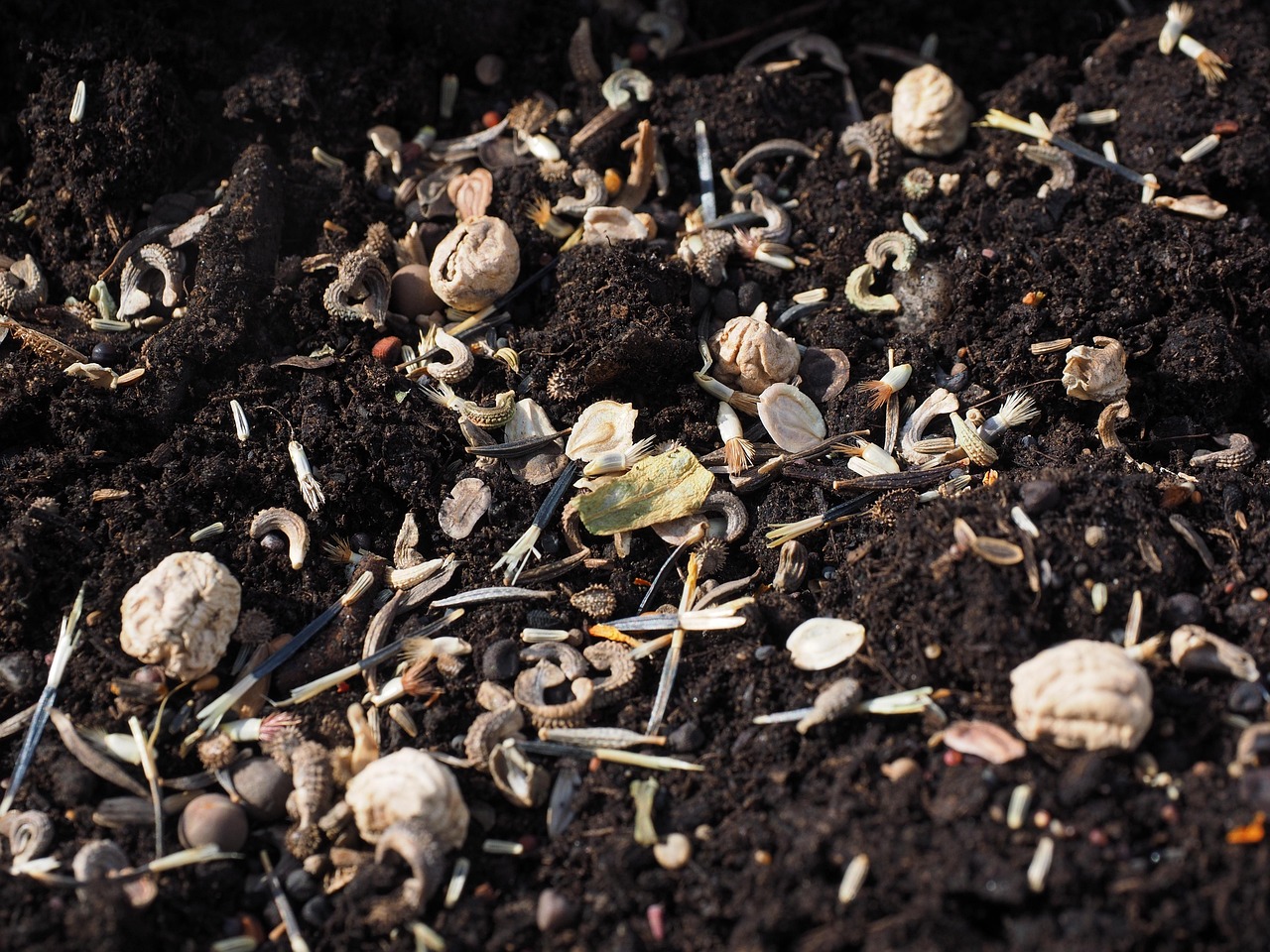
A raised bed is only as good as what goes into it. Start with a solid base: 60% topsoil, 30% compost, and 10% perlite or coarse sand. This mix balances structure, nutrients, and drainage. Avoid bagged ‘garden soil’ marked for in ground use it can compact and stunt your plants.
Once you have the base blend, boost it with a punch of life. Mix in organic matter like leaf mold or aged manure, then add a few handfuls of worm castings. These small tweaks make a big impact more microbial activity, better nutrient availability, and stronger root systems.
Last step: test the pH. Most veggies prefer a range between 6.0 and 7.0. Too acidic or too alkaline, and you’ll start seeing weak growth or yellowing leaves. Soil test kits are cheap and fast don’t skip it.
Choose Plants That Fit Your Zone
Gardening isn’t one size fits all what thrives in Arizona won’t last a week in Maine. So, before you grab seeds, figure out what actually grows well in your region. In 2026, climate patterns are still in flux, and no two zones are playing by the same rules. Stick with region specific vegetables; they’ll handle your local conditions better and need less pampering.
Next, think in pairs. Companion planting isn’t overhyped it works. Tomatoes and basil support each other. Beans and corn do too. The idea is simple: grow certain plants together to deter pests, enhance growth, or max out space. It’s low effort synergy you can taste.
And don’t farm on repeat. Rotate your crops every season. Growing the same thing year after year wears out the soil, invites disease, and generally messes with your yields. Switch up plant families so your soil stays balanced and ready for the next round.
Want more tailored picks? Check out the regional guide here: Top Native Plants to Grow in Your Region.
Set Up Smart Watering
Watering efficiently is one of the most critical elements of a productive raised bed garden. With the right strategies, you’ll conserve water, reduce labor, and promote healthier plants.
Use Water Efficient Systems
Conventional sprinklers aren’t ideal for raised beds. Instead, opt for low waste irrigation methods:
Soaker hoses: Distribute water slowly and evenly across the soil surface
Drip irrigation: Delivers water directly to the plant roots with minimal evaporation
Both options reduce water runoff and help maintain consistent moisture levels
Timing Is Everything
When and how you water matters just as much as the method:
Water early in the morning to reduce evaporation and give leaves time to dry this helps prevent fungal issues
Avoid evening watering, which can lead to excess moisture overnight and create disease conditions
Mulch to Lock in Moisture
Mulching helps reduce surface evaporation and keeps the soil temperature stable:
Use organic mulches like straw, shredded leaves, or untreated wood chips
Aim for a 2 3 inch layer around your plants to suppress weeds and retain moisture
Combined, these watering strategies will make your garden not only more resilient but also more self sustaining through temperature swings and dry spells.
Stay Consistent with Care
A garden doesn’t run on autopilot. Put in a little regular effort and it’ll reward you. Start by weeding once a week without fail small weeds become big problems fast. Fertilize once a month using something organic like compost tea or balanced veggie fertilizer. Bonus points if you tailor it to what you planted.
Pests don’t wait for an invitation. Make it part of your routine to inspect leaves, stems, and soil for problems. Catching an aphid infestation early means you deal with it using neem oil instead of losing half your lettuce.
Harvesting isn’t just about enjoying the food. Picking crops when they’re ready actually helps the plant keep producing. Let those zucchinis grow too big and the plant gets lazy.
Lastly, keep a garden journal. Doesn’t have to be poetic just scribble what you planted, what worked, what bombed. Over time, it becomes your personalized field guide for better results every season.
Plan for the Seasons
Your raised bed garden doesn’t run on autopilot. Timing matters. To get the most out of it, grow what thrives when the conditions are right.
In spring, hit the ground running with leafy greens like spinach and lettuce. Carrots and onions also do well you’ll appreciate their cold tolerance if the weather doesn’t warm up fast.
Summer is prime time. Tomatoes, peppers, and beans want heat, long days, and consistent watering. These crops are your heavy lifters once the sun really kicks in.
Fall calls for some planning. Start garlic, kale, and turnips before the first frost. These cooler weather champs can handle the dip in temps and keep your garden productive when others are shutting down.
One tip to stretch your harvest: use row covers or simple plastic hoops to shield your beds from early cold snaps. They buy you a few extra weeks sometimes more and help sensitive plants push through.
Gardening doesn’t stop when summer ends. With a little prep, your raised bed becomes a year round workhorse.
Small Space? Big Potential
You don’t need a sprawling backyard to grow real food. Raised beds make gardening possible even productive on patios, balconies, or cramped suburban yards. Because you’re working up instead of out, every inch counts more.
Start simple. One or two beds, three to four feet wide, will teach you plenty in that first season: soil care, pest control, planting timing. Once you’ve grown a few meals with your own hands, it’s easier to expand. Confidence grows with cucumbers.
Raised beds put structure into chaos. They define space, limit weeds, and make watering and maintenance manageable. When space is constrained, focus becomes your best friend. Less room, more results that’s the raised bed promise.