
Rethink the Flow Before the Furniture
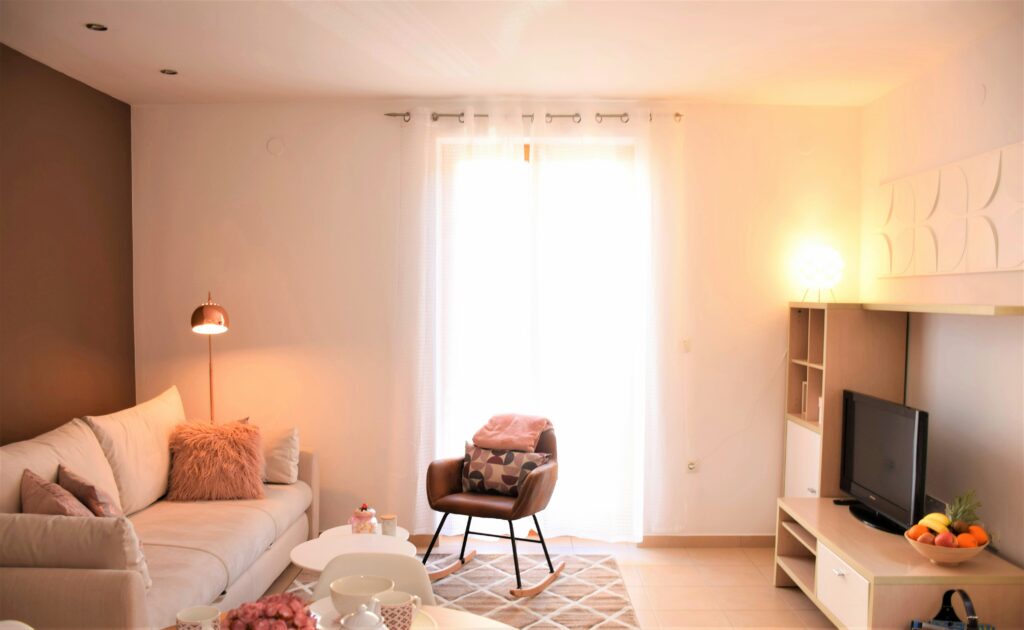
Before you think about paint colors or picking a sofa, think about movement. How do you actually move through the space? Where do you pause? Where do you need room to turn, bend, or just breathe? Layouts that start with how you live not what you own tend to feel better, even if there’s less square footage to work with.
Instead of throwing up walls or dividers, use zones. Rugs, lighting, open shelving, and even a shift in color temperature can separate a workspace from a chill zone without blocking anything off. This keeps the flow loose and functional. In tight interiors especially studio apartments or long, narrow rooms this can mean the difference between cramped and cleverly curated.
And don’t underestimate the power of sightlines. Keep them clear. The more your eye can travel across the space without slamming into furniture or partitions, the bigger and more breathable it feels. Strip it back, raise the eye level, and let the room give you its full volume.
Multi Functional Pieces Are Your Best Friends
When square footage is tight, nothing earns its keep like furniture that can transform. Fold out desks. Storage benches. Wall mounted tables that collapse down when guests leave. In small spaces, every item needs to have at least two jobs or it’s wasting oxygen. Think of it less like decorating and more like strategic deployment.
By 2026, “transformer furniture” isn’t just a gimmick it’s good design. Styles have caught up with function. No more clunky futons or awkward Murphy beds. Now we’ve got sleek headboards that swing into workstations, nesting coffee tables with hidden charging docks, even ottomans that flip into spare seating with hidden compartments inside. Minimal footprint, maximum function.
In a small bedroom that doubles as a home office, you might pair a floating desk with a folding chair stashed in a closet hook. Add under bed drawers or a bench with storage at the foot of the bed, and the room starts working smarter. In a micro living room meant for entertaining? Try a slim console that expands into a dining table, stacked stools tucked nearby, and a sofa with hidden blanket storage. You don’t need more space you need sharper tools.
Smart Vertical Solutions
The golden rule in any small space: build up, not out. Floor space is precious. Don’t waste it with bulky dressers or low slung shelves when your walls are begging to be used. Floor to ceiling shelving gives belongings a home without crowding your walkways. It also draws the eye upward, making the room feel taller and lighter.
Swap cluttered bookcases for clean vertical lines modular wall units, stacked storage cubes, or even narrow ladder shelves. Hanging storage is another game changer. Hooks, rails, and pegboards can hold anything from kitchen tools to headphones, freeing up counters and surfaces.
And don’t sleep on sleeping smart. Loft beds turn dead air into usable area think workstations, reading nooks, or storage zones underneath. The point is to see your walls and corners as assets. When every inch counts, elevation is liberation.
Minimalism That Works (Not Just Looks)
Rethink What Minimalism Means
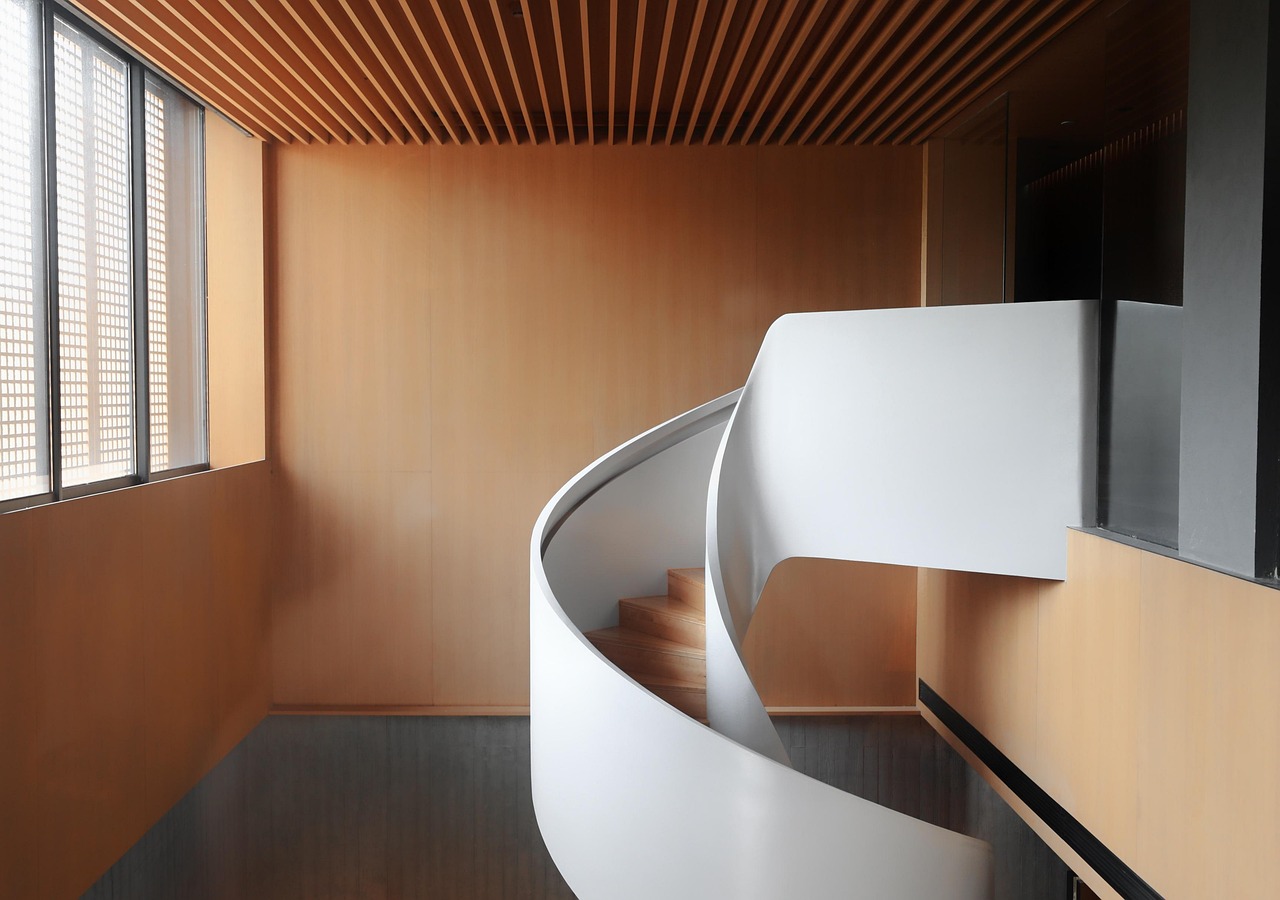
Minimalism in small space design isn’t about stripping away everything it’s about maximizing functionality while keeping the visual environment calm and cohesive. The goal isn’t to own less just for the sake of it, but rather to purposefully use better designed items that serve multiple needs.
Focus on quality, not just quantity
Choose items with both form and function
Remove visual clutter to enhance mental clarity
Design to Feel Airy, Not Empty
A well executed minimalist space should feel open, not barren. This is where color, texture, and lighting work together to elevate smaller rooms and avoid a sterile atmosphere.
Use These Elements to Add Depth:
Color: Stick to light neutrals, but add warmth with muted tones or earth inspired accents
Texture: Layer soft fabrics, natural materials, and matte finishes to give tactile richness
Lighting: Incorporate layered lighting ceiling, wall mounted, and floor level to open up sightlines and zones
Storage That Stays Out of Sight
Hidden storage is one of the unsung heroes of successful minimalist layouts. Instead of over stuffing closets or lining every wall with bins, consider clever built ins and disguised compartments.
Smart Storage Ideas:
Ottomans with lift up lids for blankets, books, or game consoles
Kick drawers beneath kitchen or bathroom cabinets for seasonal or rarely used items
False panels or under bed drawers that keep clutter out of sight and out of mind
A minimal design doesn’t mean living with nothing it means everything has its place, purpose, and polish.
Anchor With One Bold Choice
In compact spaces, visual impact is key. Instead of trying to make everything disappear to appear more minimal, consider doing the opposite: confidently anchor the room with one daring, eye catching element. This technique brings personality to the space and shifts focus away from its size.
What Counts As a Bold Anchor?
Statement Wall: A painted accent wall, wallpaper with texture or pattern, or even large scale decals can serve as an instant focal point.
Oversized Art: Rather than cluttering your wall with multiple small pieces, choose one large artwork to create drama and draw attention.
Standout Furniture: A unique chair, sculptural coffee table, or bold colored sofa can serve as a centerpiece that anchors the space.
Why It Works
It directs the eye to a defined highlight rather than the perimeter of the room, subtly redefining the perceived scale.
A single bold choice adds a sense of intention and polish making the space feel designed, not just arranged.
Where to Use It
This approach is especially powerful in:
Entryways: A bold console table or striking mirror sets the tone as soon as you enter.
Tiny Dining Nooks: An oversized pendant light or statement wall behind a small table can transform a tight space into a cozy destination.
Tip: Keep the rest of the room visually quiet to let your bold element do the heavy lifting.
Tying It Back to the Bigger Picture
Designing for small spaces isn’t just a creative challenge it’s a mirror of how people are living now. Less square footage, more flexibility. Cities are denser, work is more remote, and people are prioritizing quality over quantity. That means our homes need to function harder and smarter, without piling on clutter.
Compact living has carved out its own set of design rules that reflect modern values: flexibility, intention, and conscious ownership. A fold out desk isn’t just clever it’s a response to remote work blurring the lines between personal and professional space. A lofted bed isn’t a gimmick it’s what you do when your bedroom also needs to be a gym, reading nook, and Zoom backdrop.
This shift isn’t happening in isolation. Home layouts have always evolved alongside culture, which is why today’s strategies echo bigger social change. For historical context on how housing evolved through different decades, check out The Evolution of Home Architecture Styles Through the Decades.
Final Takeaway: Design With Intent
Living small isn’t about settling it’s about sharpening your edge. Constraints force choices, and that’s where creativity thrives. When you only have 300 square feet to work with, there’s no room for filler. Every decision matters.
That doesn’t mean your space should feel cold or stripped down. The goal isn’t minimalism for the sake of aesthetics it’s purposeful design that supports your real life. A wall mounted shelf becomes your nightstand, plant stand, and key drop. A storage ottoman isn’t just extra seating; it hides the winter gear you need but don’t want to trip over. Personality doesn’t get sacrificed it gets distilled to the essentials.
A tiny space isn’t a problem to solve but a canvas that forces intention. Lean into the challenge. If every inch has a purpose and every piece sparks a little joy or solves a real issue, the scale stops mattering. What you get is a space that works hard, and still feels like home.