
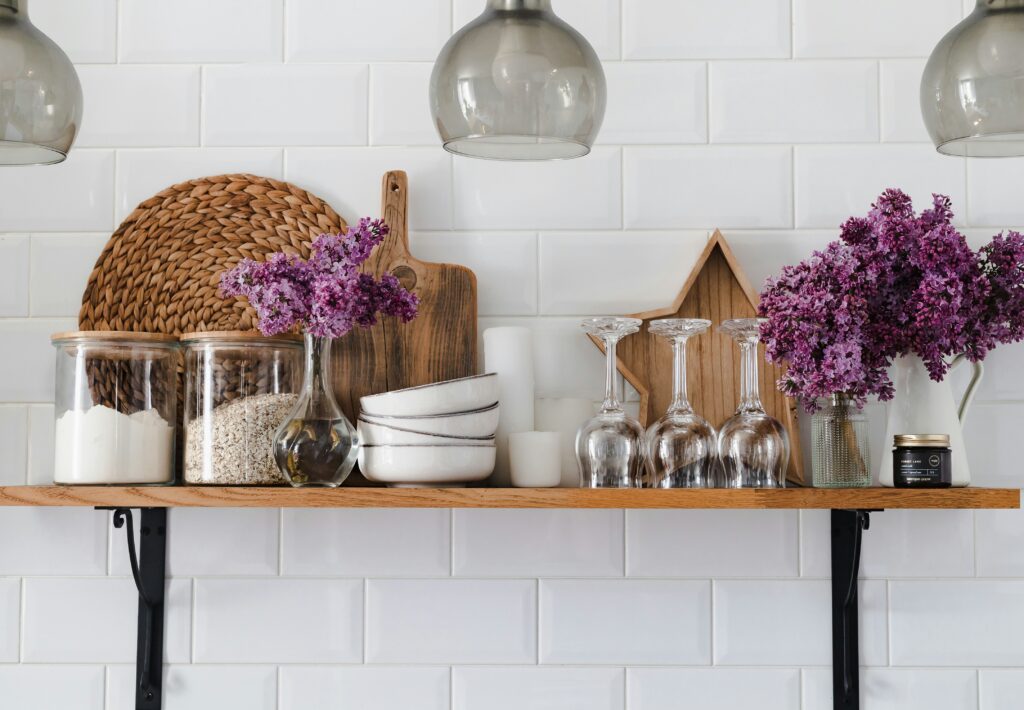
Keep It Light, Bright, and Airy
Scandinavian interiors start with light and lots of it. White walls aren’t just an aesthetic choice; they’re practical. They reflect sunlight, open up the room, and give your space a fresh, uncluttered canvas. Think of them as your interior lighting hack, no electricity required.
Big windows are a cornerstone of the look. The more natural light, the better. Keep curtains minimal or skip them entirely. If privacy matters, go with sheer linen: soft, simple, and no nonsense.
When it comes to color, stay quiet. Creams, pale greys, and dusty blues bring subtle warmth without stealing the spotlight. You’re not trying to impress with loud walls you’re inviting calm. The goal is effortless brightness that doesn’t scream for attention.
Choose Function Over Frills
Scandinavian design doesn’t waste space and neither should you. Opt for furniture that earns its keep. A bench that stores shoes, a coffee table with drawers, or a bed frame with built in compartments does more than look good it works overtime. The idea is simple: less furniture, better use.
Wall mounted shelving keeps the floor clear and the vibe light. Stick to neutral tones and clean lines that blend into the background rather than scream for attention. The shelving should serve a purpose display what you use or love, and let the rest go.
And about decor: strip it down. Skip the dozen throw pillows or trendy knick knacks. Scandinavian interiors thrive on intentional simplicity. Let the shape of the space speak, not the clutter. If it doesn’t serve or soothe, it doesn’t stay.
Add Natural Materials for Warmth
Scandinavian design thrives on clean lines, but without warmth, it can feel cold fast. The fix? Layer in natural materials. Start with wood tones oak, birch, or ash to ground the space. These light, warm hues work for flooring, tabletops, chair legs, and shelving. The goal isn’t rustic it’s clean comfort.
Next, soften the room with textiles that invite touch. Wool throws over the sofa, linen drapes that shift in the breeze, cotton cushions in pale, earthy tones these touches make a stark space feel lived in. Nothing too precious. Everything useful.
Round it out with organic textures: a jute runner in the hallway, rattan pendant lighting, maybe a touch of stone in a side table or countertop. These are the finishing details that echo nature without leaning too hard into any one style. Simple materials. Honest textures. That’s the Scandinavian way.
Layer In Hygge Elements

Scandinavian design isn’t just about clean lines and neutral palettes it’s also about comfort. Cozy, lived in comfort. That’s where hygge comes in. To get it right, start simple: candles. Lots of them. Add soft lighting think warm bulbs, not anything too bright or clinical. Then throw in textiles that actually make you want to curl up. Choose a wool blanket over the back of a chair, a high pile rug underfoot, or oversized pillows that don’t match perfectly and don’t need to.
Next, carve out nooks. Not whole rooms just small, functional corners that invite a pause. A spot for morning coffee. A quiet ledge with a cushion and a stack of books. A slim desk for late night journaling. It doesn’t have to be elaborate, but it does have to feel intentional.
Finally, resist staging your space like it’s waiting for a catalog photographer. Fold the blanket halfway. Leave out the paperback you’re halfway through. Let the space look like it’s used, not curated. That’s where Scandinavian warmth truly lives in the mess that’s quietly beautiful, not perfectly arranged.
Balance Beauty and Structure in Open Layouts
Scandinavian design thrives in open layouts but that doesn’t mean everything should blend into a blur. To keep your home feeling functional without building walls or breaking flow, define each zone with subtle but intentional choices.
Start with the basics: rugs. A simple woven rug under the coffee table or dining area instantly frames the space. Add layered lighting think pendant lights over the kitchen island or a low floor lamp by the reading chair to give each area its own visual cue. Even how you angle your sofa or place a narrow console table can mark territory without blocking sightlines.
Then, bring in a few strong anchors. One or two statement pieces like a sculptural chair, a bold piece of art, or a sleek pendant light can provide identity and focus without overwhelming the room. The trick is choosing with purpose. No filler, just forms that speak. The result: room to move, live, and breathe, without the chaos.
Add Personal Touches, Sparingly
While Scandinavian interiors favor a clean and minimal look, they are far from sterile. Subtle personalization is what gives a space warmth and soul. The key is being intentional about what you display.
Thoughtful Wall Decor
Keep walls uncluttered, but not bare. Introduce personality through carefully chosen artwork or photography:
Opt for neutral or monochromatic prints that align with the room’s palette
Choose frames in light wood, black, or white to maintain consistency
Include one or two meaningful pieces a travel photo, abstract art, or a family portrait
Purposeful Shelving
Bookshelves should feel curated, not chaotic. Aim for a balance between form and function:
Stack books both vertically and horizontally to create visual rhythm
Leave open space between groups of objects for breathing room
Add small decorative elements, but limit them to a few carefully picked items
Add a Subtle Touch of Nature
Plants can warm up the cool tones often found in Scandinavian interiors but moderation is key:
Stick to low maintenance greenery like snake plants or peace lilies
Limit yourself to one or two plants per space to avoid visual clutter
Use simple, neutral toned planters to keep the focus on the plant, not the pot
Need more inspiration? Here’s how to set up your apartment in a way that blends Scandinavian style with your personal flair.
Stay True to the Scandinavian Senses
Scandinavian interiors aren’t just about how things look they’re about how things feel. That means calm over chaos, softness over noise, and a layout that helps you breathe easier, not clutter your head. Every object should earn its place in your home. If it’s not useful or meaningful, it doesn’t stay. That goes for that extra lamp you never turn on or the sixth throw pillow you push aside every night.
The goal: a space that supports how you actually live. Simple furniture. Clear surfaces. Natural light. A quiet rhythm. You’re not staging a photo shoot; you’re building a home you want to wake up in every day.
Looking to get started? This guide on how to set up your apartment breaks down room by room ideas you’ll love.
 Jordanae Lewisters has opinions about sustainable living solutions. Informed ones, backed by real experience — but opinions nonetheless, and they doesn't try to disguise them as neutral observation. They thinks a lot of what gets written about Sustainable Living Solutions, DIY Projects and Ideas, Home Design Inspirations is either too cautious to be useful or too confident to be credible, and they's work tends to sit deliberately in the space between those two failure modes.
Reading Jordanae's pieces, you get the sense of someone who has thought about this stuff seriously and arrived at actual conclusions — not just collected a range of perspectives and declined to pick one. That can be uncomfortable when they lands on something you disagree with. It's also why the writing is worth engaging with. Jordanae isn't interested in telling people what they want to hear. They is interested in telling them what they actually thinks, with enough reasoning behind it that you can push back if you want to. That kind of intellectual honesty is rarer than it should be.
What Jordanae is best at is the moment when a familiar topic reveals something unexpected — when the conventional wisdom turns out to be slightly off, or when a small shift in framing changes everything. They finds those moments consistently, which is why they's work tends to generate real discussion rather than just passive agreement.
Jordanae Lewisters has opinions about sustainable living solutions. Informed ones, backed by real experience — but opinions nonetheless, and they doesn't try to disguise them as neutral observation. They thinks a lot of what gets written about Sustainable Living Solutions, DIY Projects and Ideas, Home Design Inspirations is either too cautious to be useful or too confident to be credible, and they's work tends to sit deliberately in the space between those two failure modes.
Reading Jordanae's pieces, you get the sense of someone who has thought about this stuff seriously and arrived at actual conclusions — not just collected a range of perspectives and declined to pick one. That can be uncomfortable when they lands on something you disagree with. It's also why the writing is worth engaging with. Jordanae isn't interested in telling people what they want to hear. They is interested in telling them what they actually thinks, with enough reasoning behind it that you can push back if you want to. That kind of intellectual honesty is rarer than it should be.
What Jordanae is best at is the moment when a familiar topic reveals something unexpected — when the conventional wisdom turns out to be slightly off, or when a small shift in framing changes everything. They finds those moments consistently, which is why they's work tends to generate real discussion rather than just passive agreement.