Why Perception Matters More Than Square Footage
A small space doesn’t have to feel cramped. In fact, how a room feels often has more to do with perception than physical dimensions. By understanding how the brain interprets space, you can use decor techniques to visually expand even the tiniest area.
The Psychology of Space
The way we perceive space isn’t just visual it’s psychological. Claustrophobia can arise not only from tight corners but from heavy furniture, dark colors, and clutter that overwhelm the senses. Designing for openness helps your mind relax, giving the impression of more room, even when the square feet are limited.
Key elements that influence spatial perception:
Light: Bright, airy environments feel larger
Simplicity: Clean lines and minimal clutter promote a sense of calm and openness
Continuity: Cohesive design elements create flow and reduce the feeling of fragmentation
How Decor Tricks the Eye
With a few smart choices, you can manipulate visual cues to make your space feel bigger than it is.
Here’s how:
Use of scale: Opt for smaller or slimmer furniture to free up visual real estate
Strategic placement: Keep sightlines open by ensuring low profile items don’t block views through the room
Vertical emphasis: Draw the eye upward with tall decor elements, like bookcases or vertical artwork
Reflective elements: Mirrors and shiny surfaces bounce light around, creating a sense of extension
By combining psychological insight with decor strategy, you’re not just furnishing a space you’re shaping how it lives and breathes.
Smart Color Schemes That Open Up Your Space
Start with a simple principle: light bounces, dark absorbs. In tight spaces, your best friend is a color palette that reflects light and keeps walls from closing in. Whites, soft grays, and pale pastels do the heavy lifting here. They create a sense of airiness without trying too hard. Layer these neutrals for dimension, and let natural light do the rest.
If you need personality, accent walls are your move but think smart. Go for cooler tones like muted greens or dusty blues on just one wall. Vertical stripes (subtle ones) are another trick. They guide the eye upward, adding a sense of height, especially in low ceilinged rooms. Think of them like visual scaffolding.
Don’t ignore the ceilings and floors. A ceiling painted a shade or two lighter than the walls can open the space vertically. For floors, stick to mid to light woods or neutral tone rugs anything that helps extend the line of sight. Everything should feel like it’s pulling the space outward, not pressing in.
Intentional color placement doesn’t just change the look of your space, it changes how you feel in it. Aim for calm, openness, and a little breathing room.
Furniture That Works Harder and Looks Lighter
When square footage is limited, every piece of furniture has to pull its own weight. That means saying no to bulky units that only serve one purpose. Think instead about storage ottomans that hide your extra throws, nesting tables that tuck away neatly, or convertible sofas that can sleep a guest without screaming “guest room.” Multitaskers like these keep your space functional without sacrificing flow.
Form plays a big role too. Leggy, low profile furniture keeps sightlines open and creates the illusion of movement and airiness. Heavy, grounded sofas and overstuffed chairs can make a small room feel even more cramped. The basic rule? If you can see under it, it’ll make the room feel bigger.
Finally, scale matters more than style. That mid century bookshelf may look amazing in the catalog, but if it towers over your walls or swallows a corner, it’s not the right fit. Take real measurements of your space and match furniture to context not trend. Sizing down doesn’t mean giving up character. It means making every inch count.
Use of Mirrors and Glass to Multiply Light
Mirrors are one of the simplest, most effective tools for expanding a space visually. To get the most out of them, placement matters. Position a large mirror directly across from a window to bounce natural light deeper into the room. In narrow areas like hallways or small dining spaces, flank a wall with a series of vertical mirrors to stretch the boundaries. Avoid placing mirrors directly opposite clutter they’ll double the mess.
Glass and acrylic furniture do more than look sleek they virtually disappear. A clear coffee table doesn’t obstruct the eye, which makes a room feel open instead of boxed in. Dining chairs with acrylic backs, or shelves with glass panels, create the same visual breathing room without sacrificing function.
Reflective surfaces in general think high gloss finishes, metallic fixtures, and even mirrored backsplashes amplify brightness and simulate more space. Used strategically, these elements turn a small room into one that feels purposeful and open, not cramped and improvised.
Clutter Killing Storage Solutions

Small spaces don’t forgive clutter, but that doesn’t mean you need to gut your lifestyle just rethink how and where you store things. The first move is to go vertical. Wall mounted shelves, tall bookcases, and hanging racks pull storage upward, freeing up floor real estate. It’s not just practical it draws the eye up and gives the illusion of height.
Next, use the dead zones. Under the bed isn’t for dust and forgotten shoes it’s prime for drawers or shallow bins. Coffee tables with hidden compartments, ottomans that open up, even the space behind doors it all adds up. The best storage doesn’t advertise itself.
And here’s where minimalism shows its teeth. It’s not about deprivation it’s about intention. When you hide what doesn’t need to be seen, the room breathes. Surfaces stay clean. The space expands not physically, but perceptually. And that’s the win.
Lighting Tricks That Expand the Space
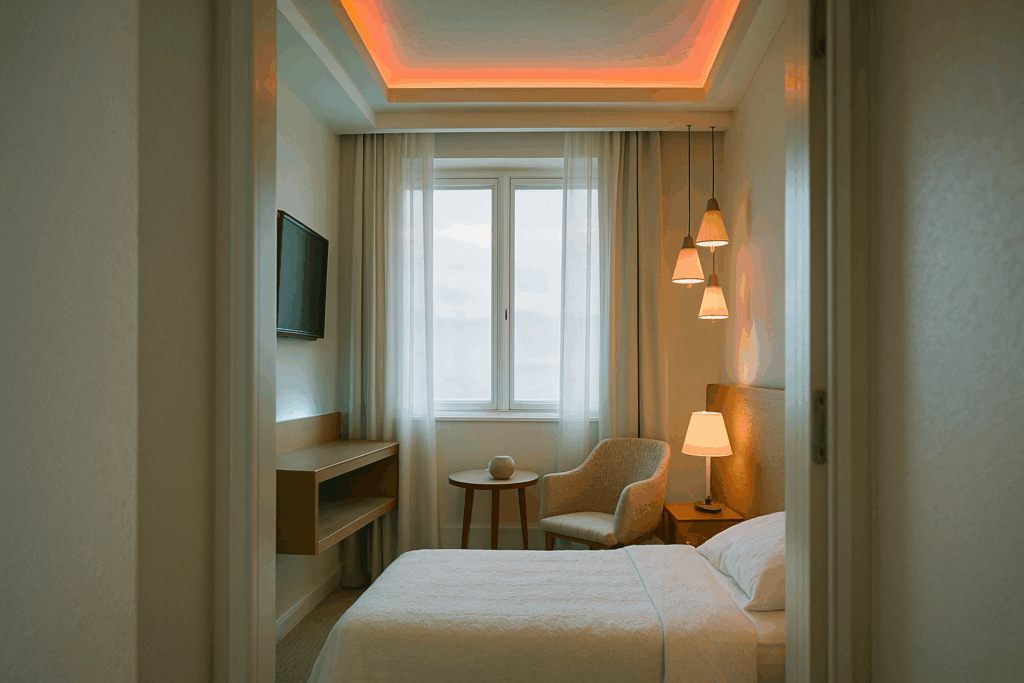
Lighting can make or break a small room. The trick isn’t more light it’s smarter light. Start by layering: ambient lighting gives your space general brightness, task lighting targets specific spots (like reading corners or kitchen counters), and accent lighting adds depth and draws attention to your favorite areas. These layers work together to stretch the perception of space.
Avoid bulky fixtures that hog visual real estate. Instead, go for simple pendant lights, floor lamps with slim profiles, or wall sconces that spread light without adding clutter. Directional lighting, like adjustable spotlights or LED track systems, can also steer the eye and shape how large a room feels.
Don’t ignore the natural stuff. Let daylight in with lightweight window treatments think sheer curtains or roller shades. Heavy drapes might bring drama, but they also box in a space. A small room needs to breathe, and windows are the lungs. Keep them open, literally and visually.
Layout Techniques That Maximize Every Inch
Small spaces need room to breathe. One of the fastest ways to open things up? Keep pathways clear. That doesn’t mean your apartment has to feel empty it just means furniture should follow function, not block flow. Think of how you naturally move through a room and place pieces to support that.
Instead of lining every wall like a furniture showroom, try floating your pieces. A sofa a few inches from the wall, a chair angled into the conversation zone those gaps add depth. The room feels bigger because your eye can travel behind and around each object, not just bump against it.
Zoning is your other secret weapon. Define areas a reading nook, a tiny dining spot, a workspace without building walls. Use rugs, lighting, or a shift in furniture style to signal purpose. It keeps things tidy and mentally spacious, even when square footage is tight.
Need setup help? Check out this guide on small apartment setup.
Thoughtful Decor Details That Add Visual Space
When you’re working with limited square footage, it’s all about creating visual ease. Start with lightweight textiles think linen drapes, cotton throws, and sheer curtains. These let light move through the room, softening lines without hogging attention. Heavy fabrics weigh a space down, both visually and physically. Trade them out for materials that feel like air.
Monochromatic accessories are another quiet strategy. Stay within the same color family as your walls and furniture so decorative elements blend, rather than chop the space into pieces. Picture a cream ceramic vase on a white shelf, or a sandy hued pillow on a taupe couch. It’s subtle, but it matters.
Finally, go big with art. A single oversized canvas makes a small wall feel intentional not cramped. Avoid cluttering the space with a dozen mismatched frames. A large piece adds presence without noise, stretching the eye and lifting the room. Less chaos, more clarity.
The theme here: soften, streamline, and stay out of your own visual way.
Final Space Stretching Moves
Small rooms don’t have to feel cramped. A few sharp moves make a big difference. Start by creating a focal point whether it’s a bold piece of art, a statement plant, or a clean lined media console. This gives the eye somewhere to land and naturally pulls attention across the space, making it feel more expansive.
Next, get obsessive about floors. The more visible your flooring, the more open a room feels. Use leggy furniture that lifts off the ground, go easy on rugs, and avoid storage bins that clutter up corners. Floor space isn’t just space it’s breathing room.
Then, get ruthless. Editing is your best design tool. If something doesn’t serve a clear function or design purpose, out it goes. Think of every item like it’s on trial. Does it earn its place? If not, leave the space empty. Sometimes, space is the best design element of all.
Want to dive deeper? Find more smart layout moves and storage tricks in our small apartment setup guide.
 There is a specific skill involved in explaining something clearly — one that is completely separate from actually knowing the subject. Malric Yelthorne has both. They has spent years working with home design inspirations in a hands-on capacity, and an equal amount of time figuring out how to translate that experience into writing that people with different backgrounds can actually absorb and use.
Malric tends to approach complex subjects — Home Design Inspirations, Gardening and Landscaping Advice, DIY Projects and Ideas being good examples — by starting with what the reader already knows, then building outward from there rather than dropping them in the deep end. It sounds like a small thing. In practice it makes a significant difference in whether someone finishes the article or abandons it halfway through. They is also good at knowing when to stop — a surprisingly underrated skill. Some writers bury useful information under so many caveats and qualifications that the point disappears. Malric knows where the point is and gets there without too many detours.
The practical effect of all this is that people who read Malric's work tend to come away actually capable of doing something with it. Not just vaguely informed — actually capable. For a writer working in home design inspirations, that is probably the best possible outcome, and it's the standard Malric holds they's own work to.
There is a specific skill involved in explaining something clearly — one that is completely separate from actually knowing the subject. Malric Yelthorne has both. They has spent years working with home design inspirations in a hands-on capacity, and an equal amount of time figuring out how to translate that experience into writing that people with different backgrounds can actually absorb and use.
Malric tends to approach complex subjects — Home Design Inspirations, Gardening and Landscaping Advice, DIY Projects and Ideas being good examples — by starting with what the reader already knows, then building outward from there rather than dropping them in the deep end. It sounds like a small thing. In practice it makes a significant difference in whether someone finishes the article or abandons it halfway through. They is also good at knowing when to stop — a surprisingly underrated skill. Some writers bury useful information under so many caveats and qualifications that the point disappears. Malric knows where the point is and gets there without too many detours.
The practical effect of all this is that people who read Malric's work tend to come away actually capable of doing something with it. Not just vaguely informed — actually capable. For a writer working in home design inspirations, that is probably the best possible outcome, and it's the standard Malric holds they's own work to.