What Defines Scandinavian Design?
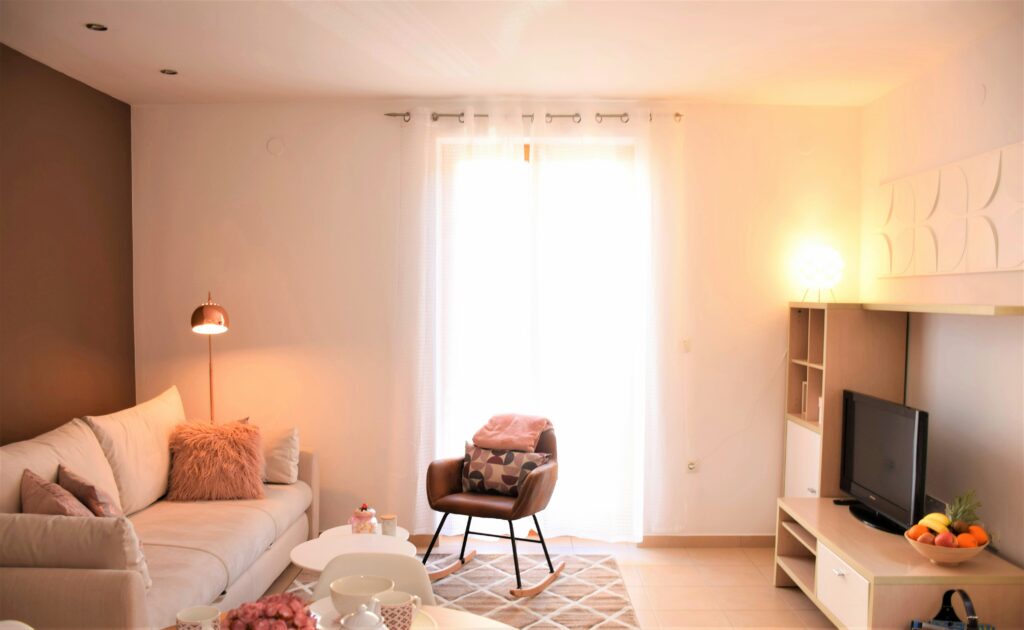
Scandinavian design is all about dialing back the noise. It’s rooted in clarity spaces that breathe, furniture that works hard without shouting, and a color palette that leans toward whites, beiges, and soft grays. Think simplicity, not starkness. Everything has a purpose, but nothing feels cold.
This style rests on function first, but it never forgets beauty. Clean lines meet warm textures. Pale woods like birch and ash bring subtle warmth. Soft, cozy textiles like wool throws or linen curtains invite you to settle in. Natural light is treated like a design element itself, pouring through open windows and flowing across uncluttered, organic spaces.
You won’t find excess here. Instead, you get open layouts that feel intentional and quiet. For anyone who feels mentally crowded in chaotic spaces, Scandinavian design is a way to restore calm without losing style. Sleek furniture, honest materials, and a sense of balance it’s a life dialed in to just enough.
What Makes Bohemian Style Tick?
Bohemian design or “boho” for short is all about breaking the rules and celebrating individuality. It’s a style that refuses to be boxed in, thriving on a mix of textures, patterns, and colors drawn from around the world.
Key Characteristics of Boho Style
Eclectic and free spirited: Bohemian interiors often combine pieces from different decades, places, and cultures.
Layered and vibrant: Expect to see tapestries over rugs, pillows on patterned couches, and art scattered across walls.
Global influences: Inspired by travel, boho décor often includes items like Moroccan lanterns, Indian textiles, or African baskets.
Design Elements That Define Boho
Color Palette: Rich, saturated hues such as burgundy, mustard yellow, deep teal, and jewel tones create a visually engaging atmosphere.
Mixed Patterns: Stripes, florals, and abstract prints can coexist in harmony when layered with care.
Found and Vintage Objects: Furniture and décor are often second hand, repurposed, or antique each item tells a story.
Ideal for Expressive Souls
Bohemian design suits those who view their home as a canvas. If you’re energized by collecting treasures, playing with color, or curating an ever evolving space, boho might be your perfect match.
Common Boho Essentials
Rattan or wicker furniture
Macramé wall hangings and woven tapestries
Abundance of houseplants for a lived in, natural vibe
Low seating areas with layered rugs and cushions
Art with personal or cultural meaning
Bohemian style isn’t just about how it looks it’s about how it feels. Embracing imperfection and personality makes every space one of a kind.
Side by Side: Scandinavian vs. Bohemian
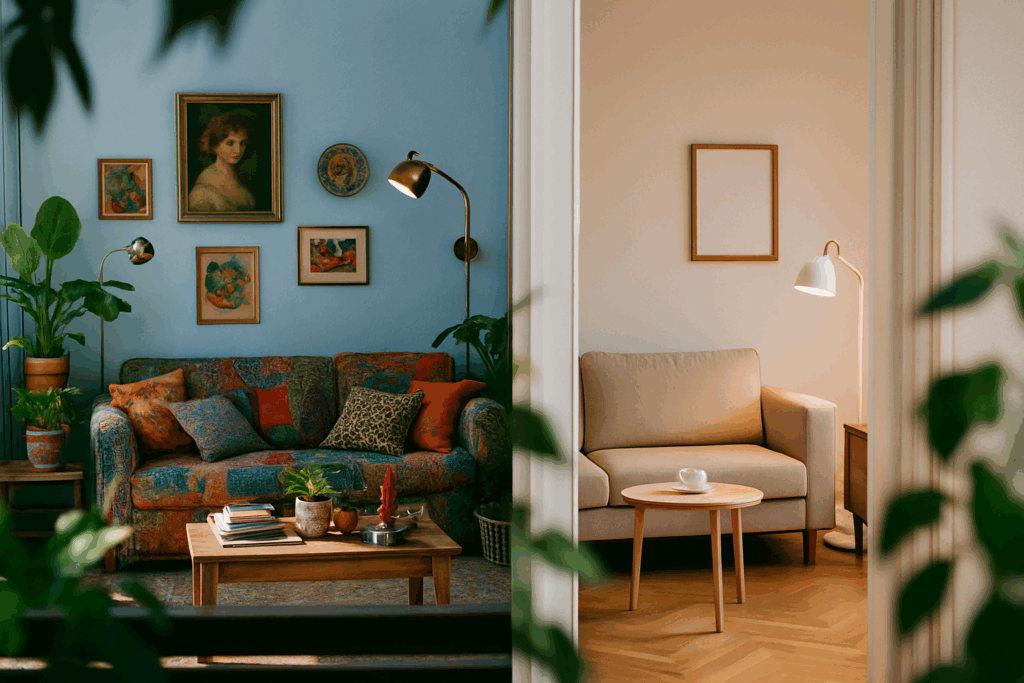
Sometimes, the easiest way to understand your design preferences is to see how styles stack up side by side. Here’s how Scandinavian and Bohemian designs compare when broken down into key elements:
Color Palette
Scandinavian: Think soft whites, gentle grays, and muted pastels. These hues reflect natural light and create a calming atmosphere.
Bohemian: Bold, expressive colors dominate here deep burgundies, sapphire blues, emerald greens, and golds bring energy and warmth into the space.
Layout & Structure
Scandinavian: Prioritizes an open, airy layout with minimal clutter and thoughtful negative space. It’s all about breathing room.
Bohemian: Embraces a cozy, layered feel spaces look collected over time, filled with books, textiles, and interesting furniture arrangements.
Philosophy on Décor
Scandinavian: “Less is more.” Decor is purposeful, often minimal, and functional above all.
Bohemian: “More is more.” Expect an eclectic blend of objects with sentimental and cultural significance, all displayed proudly.
Who It Fits Best
Scandinavian: Perfect for calm, orderly minds who prefer harmony, symmetry, and a touch of serenity in their surroundings.
Bohemian: Appeals to creative, adventurous spirits who love vibrant stories, artistic chaos, and self expression through interiors.
Mixing the Two? It Can Work
Blending Scandinavian minimalism with Bohemian flair can give your space personality without sacrificing balance. The key is thoughtful layering starting with a clean foundation and adding expressive, colorful accents in a controlled way.
Start with a Scandinavian Base
Lay the foundation with elements typical of Scandinavian design:
Neutral walls in white, beige, or soft gray
Pale wood floors or light toned rugs
Sleek, functional furniture with clean lines
Lots of natural light and uncluttered layouts
This calming backdrop sets the perfect stage for bolder Boho touches.
Add Personality Through Bohemian Accents
Once your base is in place, start introducing rich layers and textures:
Patterned throw pillows and cozy, global inspired textiles
Vibrant rugs, tapestries, or wall hangings
Rattan furniture or vintage finds for added charm
Houseplants especially leafy, trailing varieties to warm up the space
These pieces create a more lived in, expressive feel without overpowering the calm core.
Keep Proportions Balanced
To avoid a clash of styles, aim to maintain a 70/30 ratio:
70% Scandinavian: Clean, neutral essence that keeps things grounded
30% Bohemian: Eclectic pops of color, texture, and character that express your uniqueness
This ratio ensures your space feels intentional and harmonious, rather than overwhelmed by contrast.
Mixing these two aesthetics isn’t about blending opposites evenly it’s about letting one style lead while the other adds story and soul.
How to Choose Based on Your Lifestyle
Design isn’t just décor it’s how you feel when you walk into a room. If you operate best in calm, predictable environments where things have their place, Scandinavian might be your groove. Think structured spaces, less visual noise, and peaceful energy. It’s built for people who recharge through simplicity and function.
On the flip side, if you find joy in turning your space into a visual scrapbook packed with color, stories, and layers of memory Bohemian will feel more like home. It’s bold, welcoming, and forgiving. Perfect for those who hate white walls and love a little beautiful chaos.
The key is paying attention to how you actually live. Are you someone who needs a quiet corner just to think? Or do you need lots of textures, books, and art to feel alive in your space? Look at your habits, what makes you comfortable, and how your space impacts your mental energy. Let those answers guide your style. Not the trends.
Inspiration to Start With
If you’re feeling torn between the structure of Scandinavian and the spirit of Bohemian, don’t just pick one see how they play together in real spaces. Check out 10 Modern Living Room Designs That Redefine Comfort for grounded ideas that mix clean lines with bold character. These examples show that personality doesn’t have to come at the cost of practicality.
Design in 2026 is shifting toward something smarter: spaces that look good but also feel right. Form still matters, but emotional function how your home supports your mindset is the new frontier. Whether it’s a minimalist sofa wrapped in a patterned throw or warm wood tones beside bright ceramics, it’s all fair game if it adds up to comfort that feels personal. That’s where the magic lives now.
Final Thought: Make It Yours
Trends come and go fast. But your home isn’t a runway; it’s a space you wake up in, come home to, and live your real life inside. That’s why the best design isn’t about copying Pinterest boards or matching aesthetics to hashtags. It’s about how the space makes you feel and function day to day.
If Scandinavian design gives you room to breathe, lean into it. If Bohemian chaos sparks your creativity, let it sprawl. You don’t have to pick a side for the algorithm. What matters is choosing elements that fit your routines, your energy, your pace. Paint the wall. Don’t paint the wall. Get the cactus. Ditch it next week. Design should flex with you, not the other way around.
At the end of the day, own your space like you own your story. Quiet, loud, minimal, or layered it should always feel like you.