Why Low Maintenance Landscaping Makes Sense in 2026
For most homeowners now, time feels tighter than ever. The last thing on the to do list is spending weekends wrangling weeds or fighting with a fussy lawn. That’s where low maintenance landscaping earns its keep because a well designed yard shouldn’t need constant babying to look great.
Beyond time savings, these landscapes come with real environmental perks. Swapping out thirsty grass for native plants or drought tolerant ground covers means less watering, less runoff, and far fewer chemicals. It’s smarter for your wallet and kinder to the planet.
And don’t think cutting back on effort means cutting corners. Today’s low care designs keep curb appeal high with clean lines, smart plant choices, and materials that age well on their own. The goal? A yard that looks pulled together with minimal input no guilt, no green thumb required.
Choose Plants That Practically Care for Themselves
Creating a low maintenance landscape starts with choosing the right plants. The goal? Less watering, pruning, and fuss while still enjoying a vibrant, thriving yard year round.
Best Perennials by Climate
Perennials are plants that come back year after year, reducing the need for seasonal replanting. Here are resilient options that perform well in a variety of climates:
Cool Climates (Zones 3 6):
Coneflower (Echinacea)
Hosta
Black eyed Susan
Mild Climates (Zones 7 9):
Lavender
Salvia
Coreopsis
Hot & Dry Climates (Zones 9 11):
Russian Sage
Blanket Flower (Gaillardia)
Yarrow
These selections are drought tolerant and naturally pest resistant perfect for homeowners who want lots of visual appeal with minimal upkeep.
Why Native Plants Just Make Sense
Native plants are adapted to your region’s soil, water, and climate patterns, making them significantly easier to grow and maintain.
Advantages of native plants:
Require less watering and fertilizing
Attract beneficial local wildlife like pollinators and birds
Resist local pests and diseases better than many exotics
Using native plants also helps protect your area’s ecosystem and reduces your yard’s environmental footprint.
Evergreens vs. Annuals: Finding the Right Balance
While annuals provide seasonal bursts of color, constantly replacing them demands time, money, and effort. Instead, build your landscape around evergreens and strategically use annuals as accents.
Why evergreens are valuable:
Year round structure and greenery
Minimal trimming and care
Great for privacy screens and border definition
Smart ways to use annuals:
Add them to containers by the entryway
Fill seasonal gaps in mulched beds
Brighten up dull areas during spring and summer
Balancing evergreen staples with carefully chosen annuals keeps your yard looking fresh without turning it into a full time job.
Hardscape: Your Low Effort Backbone
A great looking yard doesn’t have to demand constant care. Hardscaping incorporating non plant elements like stone, gravel, and pavers can dramatically reduce upkeep while elevating your outdoor space’s visual appeal and functionality.
Smart Use of Pavers, Gravel, and Stone
Hardscape materials not only enhance aesthetics but also simplify maintenance. Here are a few effective design ideas:
Paver Pathways: Create visual flow and structure while reducing mowing areas. Opt for permeable pavers to allow stormwater infiltration.
Gravel Beds: Ideal around borders and under seating areas, gravel deters weeds and never needs mowing or watering.
Natural Stone Patios: Durable and timeless, stone patios eliminate large grassy zones while creating inviting spaces for relaxing or entertaining.
Bonus tip: Use landscape fabric beneath gravel or stone to prevent weed growth without adding toxic sprays.
Ditch the Lawn: Try Ground Covers Instead
Lawns take a lot of time and resources. Replacing them with low maintenance ground covers can create texture, color, and resilience with far less effort:
Creeping thyme: Soft, fragrant, and drought tolerant ideal for sunny spots.
Clover: Naturally fertilizes the soil and resists drought.
Sedum: A hardy succulent available in various colors, perfect for hot, dry zones.
These ground covers require minimal mowing, little to no fertilizing, and add year round interest.
The Pros of Artificial Turf (When It Makes Sense)
Artificial turf isn’t for everyone but in the right situations, it’s a game changer for saving time and water.
Benefits of using artificial turf:
No watering, mowing, or fertilizing
Always looks green and even
Ideal for shady areas that struggle with healthy grass growth
Best uses:
Small backyards
Pet friendly outdoor areas
Rental properties or investment homes
Artificial turf might come with a higher upfront cost but pays off in long term labor and utility savings.
Whether you’re rethinking a full yard or just updating a corner, smart hardscape choices can drastically reduce your maintenance burden and still make your landscape stand out.
Water Wise Designs

If you’re tired of babysitting your garden hose or fretting over the water bill, it’s time to build smarter. Start with an irrigation system that works while you don’t. Drip irrigation is a quiet workhorse efficient, targeted, and easy to automate with a basic timer. Modern systems can even sense rainfall or soil moisture and adjust accordingly, which means less guesswork and no water waste.
Then there’s xeriscaping: landscaping designed to need little to no supplemental watering. Think gravel paths, drought tolerant shrubs, native ground covers, and succulents that look sharp year round. It’s more than cactus and cacti it can be lush, layered, and full of texture without guzzling water.
Lastly, don’t forget drainage. Directing runoff the right way protects your plants, home, and sanity. Swales (shallow ditches), French drains, and strategic grading help move water safely without pooling. Protecting your landscape starts from the ground up literally.
Less watering, less stress, more time to actually enjoy your yard.
Mulch: The Unsung Hero of Low Care Landscapes
Mulch may not be the flashiest part of your landscape, but it’s one of the most powerful tools for reducing maintenance. Whether you want to tame weeds or retain more moisture during hot months, mulch does a lot of heavy lifting with minimal follow up.
Why Mulch Matters
Mulch isn’t just a finishing touch it’s a foundational element in a low maintenance yard.
Key Benefits:
Moisture Retention: Helps reduce evaporation, keeping plants hydrated longer with less watering.
Weed Control: Acts as a barrier, suppressing weed growth with no chemicals required.
Temperature Regulation: Insulates soil from heat in the summer and frost in the winter.
Match the Mulch to the Mission
Not all mulch is created equal choose the type that fits your plants and your climate.
Popular Mulch Options:
Shredded Bark: A natural look and long lasting option for flower beds and around trees.
Wood Chips: Great for pathways and naturalized areas.
Stone or Gravel: Ideal for hot, dry climates and permanent ground cover zones.
Rubber Mulch: Low breakdown option for playgrounds or high traffic parts of the yard.
Compost Based Mulches: Enrich soil while they provide coverage especially helpful in veggie or herb beds.
Application Tips for Long Term Success
Proper mulch application extends its usefulness and reduces the need for frequent replacement.
Use These Tips:
Apply a 2 3 inch layer any deeper and roots may suffocate.
Keep mulch a few inches away from plant stems and tree trunks to prevent rot.
Refresh organic mulch annually or as it breaks down.
Use landscape fabric underneath gravel or stone to block deeper weeds.
With the right mulch and proper application, you’ll improve your soil, reduce chores, and keep weeds from hijacking your weekends.
Low Maintenance Edible Landscapes
You don’t need a greenhouse or a half acre plot to grow your own food. If you’re short on time or space think smaller and smarter. Edible landscapes blend aesthetics with function. You grow what you eat, and it looks good doing it.
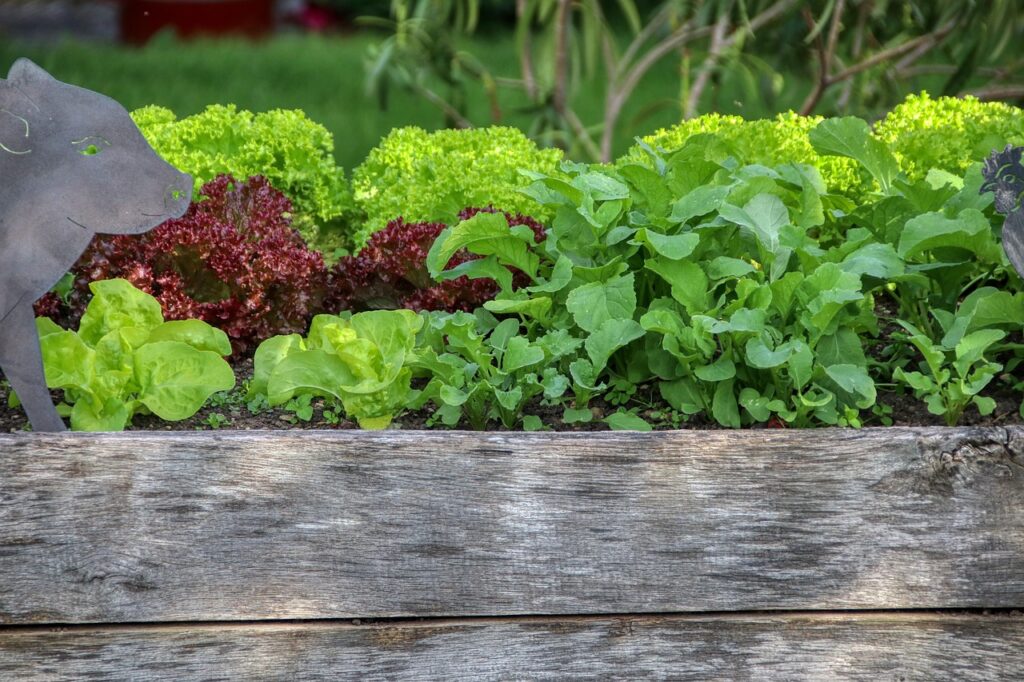
Start with herbs. Basil, thyme, rosemary, and mint thrive in small containers and need minimal babysitting. Want to go a step further? Use raised beds or border planters near walkways or patios. Lettuce, cherry tomatoes, and peppers are all low fuss picks that can live happily outside your front door.
If you’re skeptical, test the waters with one raised box and see how it goes. The key is accessibility: the closer your garden is to your daily routine, the more likely you’ll harvest and maintain it. Water when needed, snip what you use, and skip the weekly trip to the store for parsley.
Want a no overwhelm starting point? This guide lays it out clearly: How to Start a Raised Bed Vegetable Garden.
Smart Tools and Tech That Save Time
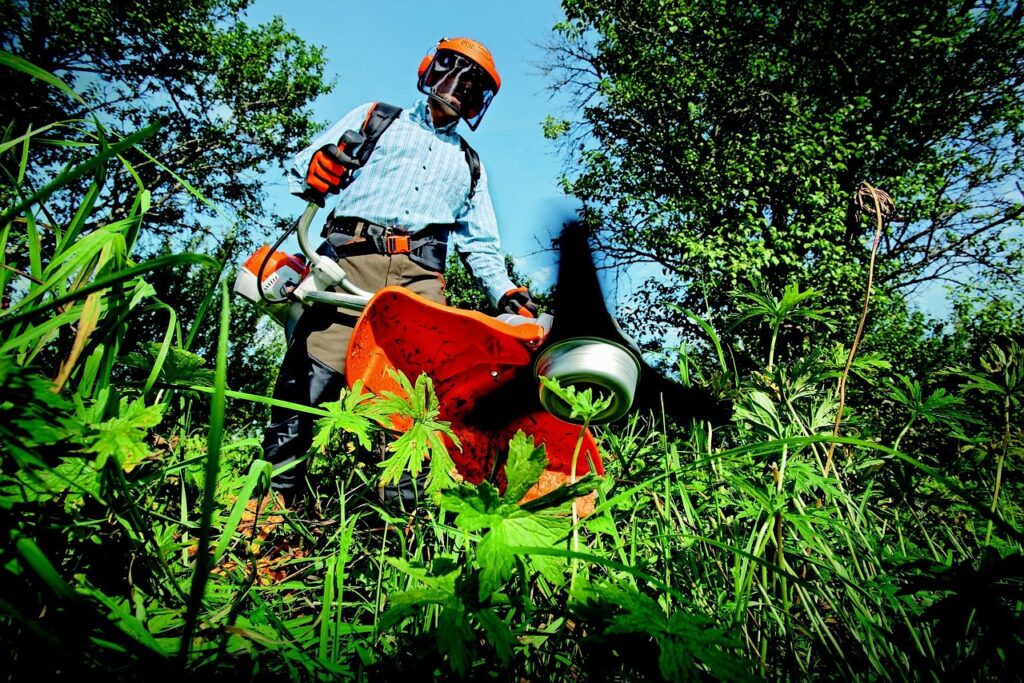
Old school landscaping tools still have their place, but if you’re busy, smart tech can do a lot of the heavy lifting with less hassle and less noise. Battery powered tools think trimmers, mowers, and blowers have gotten leaner, quieter, and more powerful. No gas, no oil, no cord setups. Just charge and go.
Automation helps with irrigation too. Smart timers and moisture sensors can take the guesswork out of watering, adjusting based on weather or soil conditions. You set it once, and it adapts perfect for anyone who forgets or travels often. The same goes for outdoor lighting; motion sensors and scheduling features mean you don’t have to think twice when the sun goes down.
Then there are the apps. Today’s landscaping apps can ID weird spots on leaves, remind you when to fertilize, and track plant health based on your zip code. They won’t replace your green thumb, but they’ll act like a backup brain when you’ve got other things on your plate.
Tech won’t maintain your yard for you, but it’ll cut the time and effort more than most people realize. If you’re managing a full schedule, that edge can mean everything.
Keep It Looking Sharp with Minimal Effort
Even the most low maintenance landscape needs occasional upkeep. The good news? With smart design and selective tasks, you can keep your yard looking polished without spending every weekend outside.
Quick Monthly Chores Under 15 Minutes
You don’t need to overhaul your entire yard to keep it looking good. A few targeted, time efficient tasks each month can make a big difference:
Spot weed problem areas: Set a timer five focused minutes goes a long way.
Trim walkways and borders: Keep edges clean with a cordless trimmer or shears.
Clear debris from drainage zones: Prevent buildup that can clog natural runoff systems.
Quick plant health check: Look for pests, dry spots, or dying leaves. Remove any issues on the spot to prevent bigger problems later.
Design for Forgiveness
Some garden beds look unkempt the moment they’re neglected, while others age gracefully. Smart design helps maintain visual appeal even when your schedule doesn’t allow for weekly upkeep.
Choose structure rich plantings: Use shrubs, evergreens, and sturdy perennials to form the visual backbone.
Stick with a consistent color palette: This gives even informal or overgrown beds a unified, intentional look.
Avoid intricate edging: Choose simple layouts that don’t require constant reshaping or tidying.
When to Call in Backup (Without Breaking the Bank)
You don’t have to do it all alone and you don’t have to spend a fortune either.
Seasonal help: Hiring local lawn professionals for spring and fall cleanups can keep your landscape on track with minimal effort.
Neighborhood student gigs: Teens or college students may be up for basic yard tasks at budget friendly rates.
Task based apps or groups: Use local forums and gig apps to find vetted helpers for specific chores like mulching, hedge trimming, or irrigation checks.
Design smart. Maintain intentionally. That’s how you keep a great looking yard with a lifestyle to match.
 Venusrah Greebelt is the kind of writer who genuinely cannot publish something without checking it twice. Maybe three times. They came to home maintenance essentials through years of hands-on work rather than theory, which means the things they writes about — Home Maintenance Essentials, DIY Projects and Ideas, Sustainable Living Solutions, among other areas — are things they has actually tested, questioned, and revised opinions on more than once.
That shows in the work. Venusrah's pieces tend to go a level deeper than most. Not in a way that becomes unreadable, but in a way that makes you realize you'd been missing something important. They has a habit of finding the detail that everybody else glosses over and making it the center of the story — which sounds simple, but takes a rare combination of curiosity and patience to pull off consistently. The writing never feels rushed. It feels like someone who sat with the subject long enough to actually understand it.
Outside of specific topics, what Venusrah cares about most is whether the reader walks away with something useful. Not impressed. Not entertained. Useful. That's a harder bar to clear than it sounds, and they clears it more often than not — which is why readers tend to remember Venusrah's articles long after they've forgotten the headline.
Venusrah Greebelt is the kind of writer who genuinely cannot publish something without checking it twice. Maybe three times. They came to home maintenance essentials through years of hands-on work rather than theory, which means the things they writes about — Home Maintenance Essentials, DIY Projects and Ideas, Sustainable Living Solutions, among other areas — are things they has actually tested, questioned, and revised opinions on more than once.
That shows in the work. Venusrah's pieces tend to go a level deeper than most. Not in a way that becomes unreadable, but in a way that makes you realize you'd been missing something important. They has a habit of finding the detail that everybody else glosses over and making it the center of the story — which sounds simple, but takes a rare combination of curiosity and patience to pull off consistently. The writing never feels rushed. It feels like someone who sat with the subject long enough to actually understand it.
Outside of specific topics, what Venusrah cares about most is whether the reader walks away with something useful. Not impressed. Not entertained. Useful. That's a harder bar to clear than it sounds, and they clears it more often than not — which is why readers tend to remember Venusrah's articles long after they've forgotten the headline.