Bio Inspired Minimalism
Less clutter. More intention. That’s the core of Bio Inspired Minimalism, a theme shaping interiors in 2026. It’s not just about sleek lines or open floors anymore it’s about designing spaces that breathe. Clean architectural forms are met with raw, grounded elements like smooth stone, textured clay, and matte wood. These organic layers aren’t accents they’re the anchors.
Earth tones lead the palette: muted greens, sand, terracotta, and chalk whites. Finishes feel touchable, imperfect, human. Houseplants aren’t just décor they’re design partners. Trails of pothos along shelves, potted olive trees in corners, air purifying greens in bathrooms plants act as quiet reminders to slow down.
The goal? Environments that restore. Rooms where visual noise makes way for clarity. Wellness isn’t a feature; it’s built into the walls, the furniture, the light. Bio Inspired Minimalism keeps the aesthetic sharp and neutral, while never losing the softness that makes a house feel like home.
Sculptural Statement Pieces
In 2026, furniture is more than functional it’s a focal point. Designers are turning seating, tables, and shelving into conversation starters through exaggerated curves, bold asymmetry, and unexpected proportions. These pieces don’t blend in. They stand out by design.
Materials play a big role here. Fluted wood brings texture and rhythm. Polished concrete adds edge and weight. Recycled steel gives a post industrial mood with sustainable credibility. Whether it’s a smooth, monolithic bench or an off kilter coffee table that looks more like a sculpture than furniture, the goal is presence.
The trick to pulling this off is balance. If you go big with form or material, keep the surroundings quiet. Let that one bold piece take the spotlight while the rest of the room supports it. Think of it like a gallery neutral backdrops let the art breathe. In other words: one statement per space, not five competing for attention.
Tech Integrated Living Spaces
As technology evolves, so does our approach to home design. In 2026, integrating smart tech into living spaces goes far beyond convenience it’s about creating seamless environments that enhance comfort, efficiency, and well being without overwhelming the aesthetics.
Smart but Subtle: Tech That Blends In
Rather than taking center stage, modern interior tech is becoming nearly invisible, doing its job in the background while design remains the focus.
Smart lighting that adapts to natural circadian rhythms and mood settings
Concealed charging stations hidden within furniture or built into architectural features
AI powered climate control systems that learn user habits and adjust accordingly
These features contribute to a smarter, calmer, and more intuitive home experience.
Supporting the Design, Not Stealing the Show
The goal isn’t to showcase tech but to allow it to support the lifestyle within the space.
Hardware is being miniaturized or hidden entirely, removing visual clutter
Control interfaces are integrated into existing design elements, like mirrors, cabinetry, or door frames
Materials used in tech enabled features now match décor themes, like matte finishes, soft edged devices, or wood accented smart panels
Future Proofing with Style
Designers are taking a mindset of longevity not trend chasing. Choosing adaptable systems and modular solutions ensures that homes can evolve as tech grows.
Emphasis on upgradable smart home hubs instead of hardwired, quickly outdated systems
Modular lighting tracks or interchangeable smart fixtures
Design schemes that accommodate future additions without requiring total overhauls
In 2026, true tech integration means balancing innovation with intention enhancing everyday life without compromising a room’s identity.
Heritage Revival with a Modern Twist

Design isn’t forgetting where it came from it’s digging it up piece by piece. Architectural salvage is back in style, and not just for the romantics. Think reclaimed wood beams instead of generic drywall. Vintage tile patterns in crisp modern kitchens. An iron gate reimagined as a bold statement headboard. It’s less about nostalgia and more about texture, character, and grounding a space in quiet history.
This isn’t full on antique overload either. The magic happens in the contrast. Pair an old farmhouse door with smooth, minimalist surroundings. Lay century old encaustic tiles beside polished concrete. Let the stories of the past live within forward facing layouts. Done right, it’s not just design it’s narrative.
Vloggers showcasing these choices aren’t just giving decor tips they’re curating small time capsules that viewers connect with on an emotional level. It’s one thing to have a nice looking room. It’s another to look around and feel something timeless.
Warm Scandinavian Meets Bohemian Soul
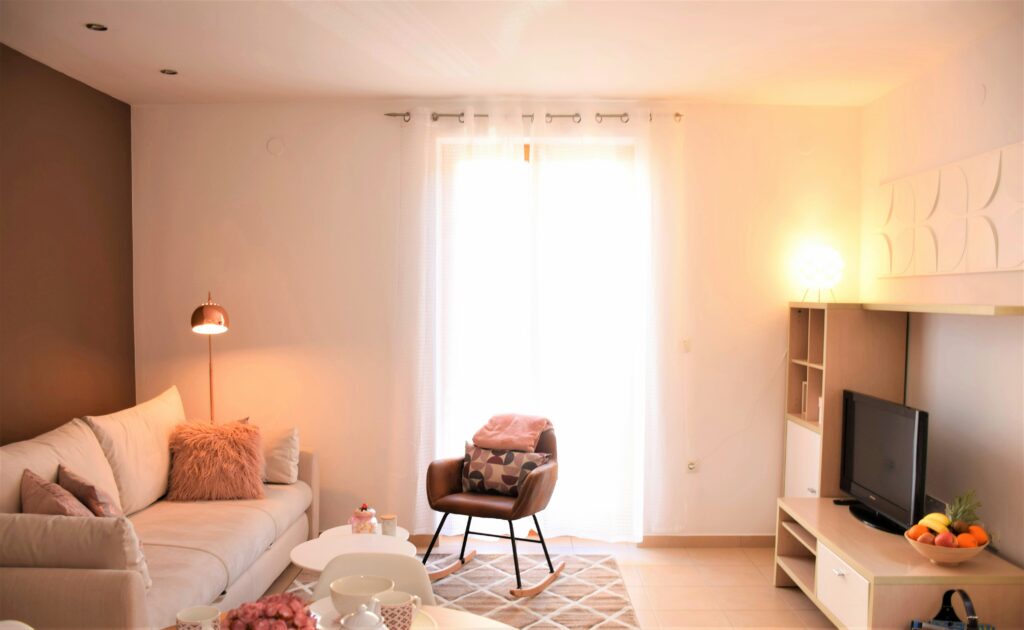
Interior design in 2026 isn’t picking sides it’s blending them. The warm minimalism of Scandinavian spaces is colliding with the laid back personality of Bohemian styling, and the result is a wearable, livable hybrid: clean, cozy, and quietly eccentric.
This mash up isn’t precious. Think pale wood floors and neutral palettes softened with chunky knit throws, handwoven textiles, and terracotta ceramics. Natural textures like linen, wool, and clay give the calm foundation that Scandi spaces are known for. Then global prints, layered rugs, and well loved vintage pieces bring in Boho’s free spirited edge. It’s tidy without being cold, eclectic without the clutter.
This style shift is less trend and more mindset it values comfort, personality, and craftsmanship over polish and perfection. A perfect pick for those who want their space to feel both designed and deeply lived in.
Learn more: Scandinavian vs. Bohemian Which Design Style Fits Your Personality?
Hyper Personalized Spaces
Interior design in 2026 is less about trends and more about individuals. Forget one size fits all aesthetics people want their spaces to reflect how they live, not just how things look on Pinterest. That means design choices are increasingly shaped by daily routines, habits, and personal quirks. Morning meditators want soft light and calming corners. Digital nomads need ergonomic setups that don’t scream “home office.” Style is now function, and vice versa.
Customization is everything. We’re seeing a rise in bespoke furniture made to fit a body, a room, a lifestyle. Color isn’t just about preference anymore either; it’s about mood regulation. Designers are leaning on color psychology to craft spaces that energize or soothe, depending on the room’s purpose. Layouts are tailored like playlists: one vibe for reading, another for entertaining, and something else entirely for recharging.
In short, interiors have become deeply identity driven. People want their homes to say, “This is who I am,” without speaking a word. That’s rewriting the playbook for designers and for the people they design for.
Circular Design Principles
Sustainability is no longer a niche it’s a baseline. In 2026, circular design isn’t just a buzzword. It’s a design directive. That means considering where materials come from, how they’re used, and where they’ll end up once your furniture sees its final day. Sourcing is getting smarter. Creatives are favoring regionally available materials, cutting down on carbon heavy logistics, and working with reclaimed wood, recycled metal, and biodegradable textiles.
Modular furniture is also having a moment. These aren’t just space savers they’re shape shifters that adapt as life changes. Need a different setup in two years? Rearrange, don’t repurchase. Combine that with upcycled pieces that carry a bit of history, and design becomes more about legacy and flexibility than trends.
The shift is clear: from design that fuels consumption to design that fosters stewardship. It’s about building smarter habits into our spaces. Less waste, more intention. That’s the blueprint.
What’s Defining 2026
In 2026, design isn’t just about how a room looks it’s about how it works for the people who live in it. Wellness, seamless tech, and environmental responsibility aren’t nice to haves anymore. They’re standard. If your space can’t support your body, your mind, and the planet, it’s already outdated.
The future of interior design is rooted in human experience. Whether it’s smart lighting that mimics natural rhythms to help you sleep better, or furniture made from reclaimed materials that leave a lighter footprint, design choices today are intentional. They’re made to align with how people eat, rest, gather, and create.
More than a visual art, interior design in 2026 is a human practice. It listens to your needs, anticipates your habits, and reflects your identity. And that’s where it’s headed: not toward perfection, but toward meaning.
 Jordanae Lewisters has opinions about sustainable living solutions. Informed ones, backed by real experience — but opinions nonetheless, and they doesn't try to disguise them as neutral observation. They thinks a lot of what gets written about Sustainable Living Solutions, DIY Projects and Ideas, Home Design Inspirations is either too cautious to be useful or too confident to be credible, and they's work tends to sit deliberately in the space between those two failure modes.
Reading Jordanae's pieces, you get the sense of someone who has thought about this stuff seriously and arrived at actual conclusions — not just collected a range of perspectives and declined to pick one. That can be uncomfortable when they lands on something you disagree with. It's also why the writing is worth engaging with. Jordanae isn't interested in telling people what they want to hear. They is interested in telling them what they actually thinks, with enough reasoning behind it that you can push back if you want to. That kind of intellectual honesty is rarer than it should be.
What Jordanae is best at is the moment when a familiar topic reveals something unexpected — when the conventional wisdom turns out to be slightly off, or when a small shift in framing changes everything. They finds those moments consistently, which is why they's work tends to generate real discussion rather than just passive agreement.
Jordanae Lewisters has opinions about sustainable living solutions. Informed ones, backed by real experience — but opinions nonetheless, and they doesn't try to disguise them as neutral observation. They thinks a lot of what gets written about Sustainable Living Solutions, DIY Projects and Ideas, Home Design Inspirations is either too cautious to be useful or too confident to be credible, and they's work tends to sit deliberately in the space between those two failure modes.
Reading Jordanae's pieces, you get the sense of someone who has thought about this stuff seriously and arrived at actual conclusions — not just collected a range of perspectives and declined to pick one. That can be uncomfortable when they lands on something you disagree with. It's also why the writing is worth engaging with. Jordanae isn't interested in telling people what they want to hear. They is interested in telling them what they actually thinks, with enough reasoning behind it that you can push back if you want to. That kind of intellectual honesty is rarer than it should be.
What Jordanae is best at is the moment when a familiar topic reveals something unexpected — when the conventional wisdom turns out to be slightly off, or when a small shift in framing changes everything. They finds those moments consistently, which is why they's work tends to generate real discussion rather than just passive agreement.